




Ashley Cook
October 6, 2025

Detroit in 1906 would have been described as a multi-ethnic industrial city on the verge of rapid expansion. It was the year that Ford Motor Company began making engines and transmissions in-house, easing production and leading to the invention of their low-cost automobile called the Model N,1 and their first luxury vehicle, the Model K.2 By that time, the city’s population had reached nearly 300,000, with many residents being foreign-born, drawn to Detroit to work in stove and automotive manufacturing, railroad and street construction, salt mining and other things. The city’s urban sprawl was bolstered by the Detroit United Railway, a robust public transportation system with streetcar and interurban lines across Southeast Michigan and even into Northern Ohio.3 The construction of Michigan Central Station also began in 1906, coinciding with the completion of the Michigan Central Railway Tunnel to form what would be a crucial gateway from the South during the Great Migration.4 Complex webs of future-focused initiatives had become common in modern cities around the world, but it was the invention of the assembly line that would raise Detroit to the top as a primary player in the Second Industrial Revolution in the U.S., ushering in the rise of the Middle Class and an economy of mass consumption in America.5 Though this new mode of production reduced costs and opened various markets to a broader range of consumers, many expressed concern that wide-scale mechanization would degrade the quality of goods, and dehumanize workers by removing their skill and purpose. The Arts and Crafts Movement(circa 1860-1920) formed as a reaction against “factory-made” in favor of “hand-crafted”, promoting values that preserve the use of natural materials and the skill of the artisan.6 In Detroit, this movement was represented through initiatives like the City Beautiful urban-planning movement(circa 1890-1920),7 and with the establishment of institutions like Pewabic Pottery(est. 1903)8 and the Society of Arts and Crafts(est. 1906),9 known today as College for Creative Studies.
On May 17th 2025, College for Creative Studies celebrated the 100th anniversary of its student exhibition with over three thousand works of art on view across both campuses. The wide range of disciplines showcased throughout the event represents one hundred and nineteen years of evolution; what began as a curriculum with only basic classes in drawing, design, and woodcarving now offers BFA, BA, MFA, MA and MPS degree programs in over a dozen different disciplines as well as precollege & continuing education training, and certifications in Art Education. The story of CCS offers insight into the development of art schools in the United States—particularly in relation to industrial manufacturing—and reveals the adaptation and innovation that was required to stay open, even through Detroit’s most tumultuous years.
.jpg "CraftIndustrialBoomOriginEvolutionCCS.AshleyCook.AshleyCook")
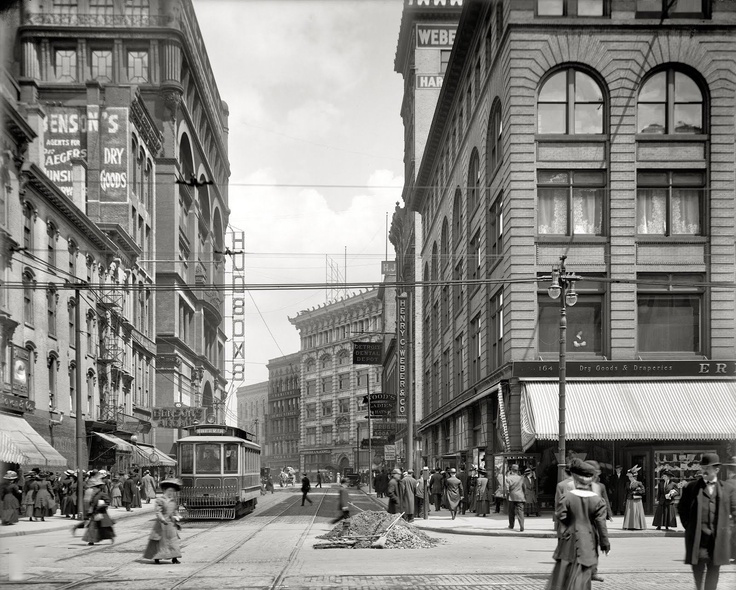
The original home of the Society of Arts and Crafts was on the second floor of the Knowlson Building at 122 Farmer Street, a downtown location where they stayed from 1906-1911.10 The bustling quality of downtown Detroit in the early 20th century can be attributed to the diverse community of businesses. The Society of Arts and Crafts shared the Knowlson Building with an organization called the Detroit Women’s Exchange,11 and functioned alongside neighbors like Kunsky’s Casino Theater(Detroit’s first nickelodeon),12 the Grand Circus Theater(known today as the Detroit Opera House),13 and prominent department stores including J. L. Hudson Company,14 Crowley Milner and Company,15 R.H. Fyfe & Co.,16 and Ernst Kern Company.17 Each of these establishments provided everyday necessities, unique luxury items, services and experiences that attracted people of all different backgrounds to the city.

While apprenticeships were still a common path for budding artists at that time, independent institutions were becoming a promising avenue for those pursuing a career in the arts. Like many art schools in the United States, the Society of Arts and Crafts was inspired by the English Arts and Crafts Movement, with its founding members actively participating in the broader effort to promote beauty and skill in an era of increasing industrialization. Fresco muralist Frances Sibley, a founding member of the Detroit Society of Women Painters and Sculptors, joined her great nieces Katherine and Alexandrine McEwen as founding members of the Society of Arts and Crafts.18 Mary Chase Perry, a ceramicist and co-founder of Pewabic Pottery, also served as a founding member along with her husband William Straton, and her ceramics partner James Calkins.19 Albert Kahn, known widely for his influence on industrial architecture, was a particularly notable founding member, as well as an instructor at the school. Helen Plumb served as the secretary until 1928, later joining the American Federation of Arts in New York,20 and George Booth was the first president of the Society of Arts and Crafts before going on to open Cranbrook Academy of Art with his wife Ellen Booth in 1933.21
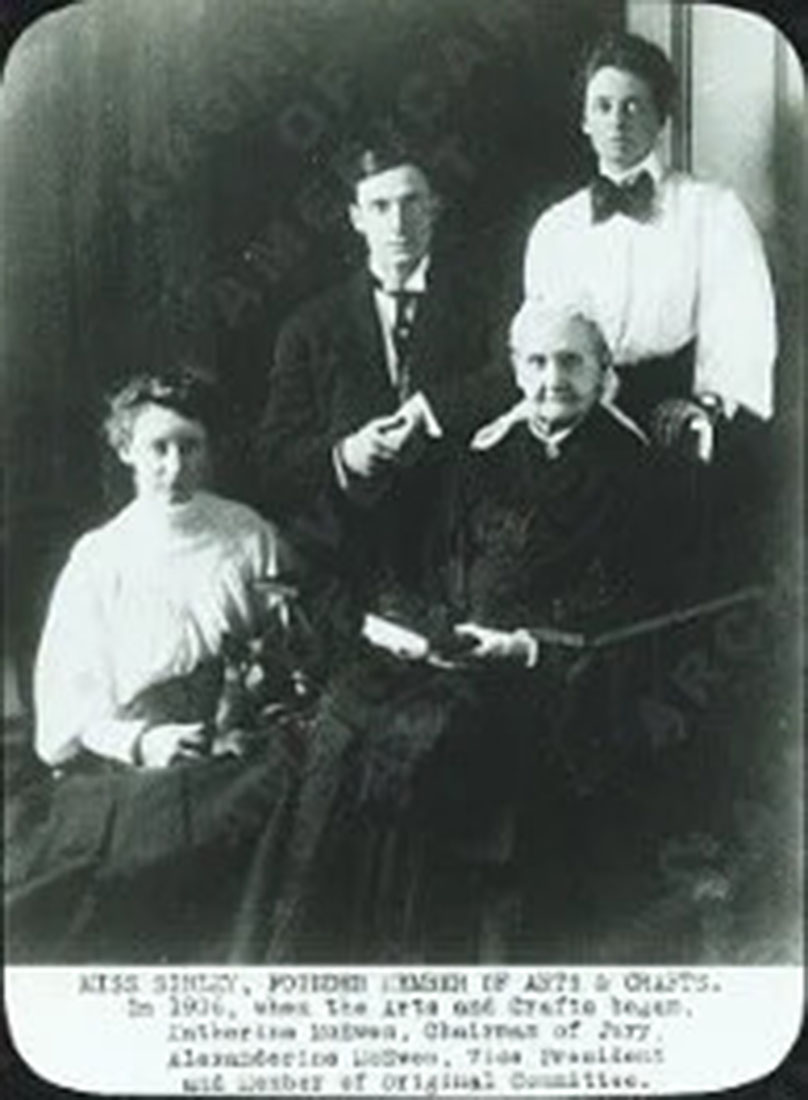
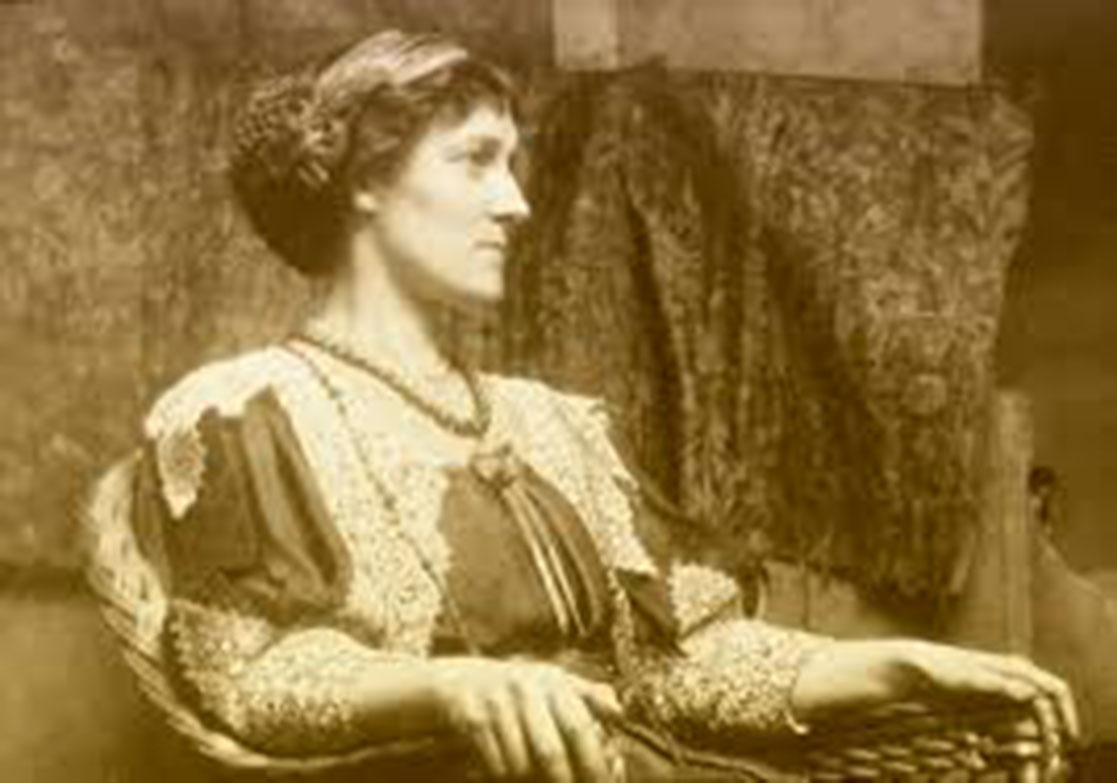
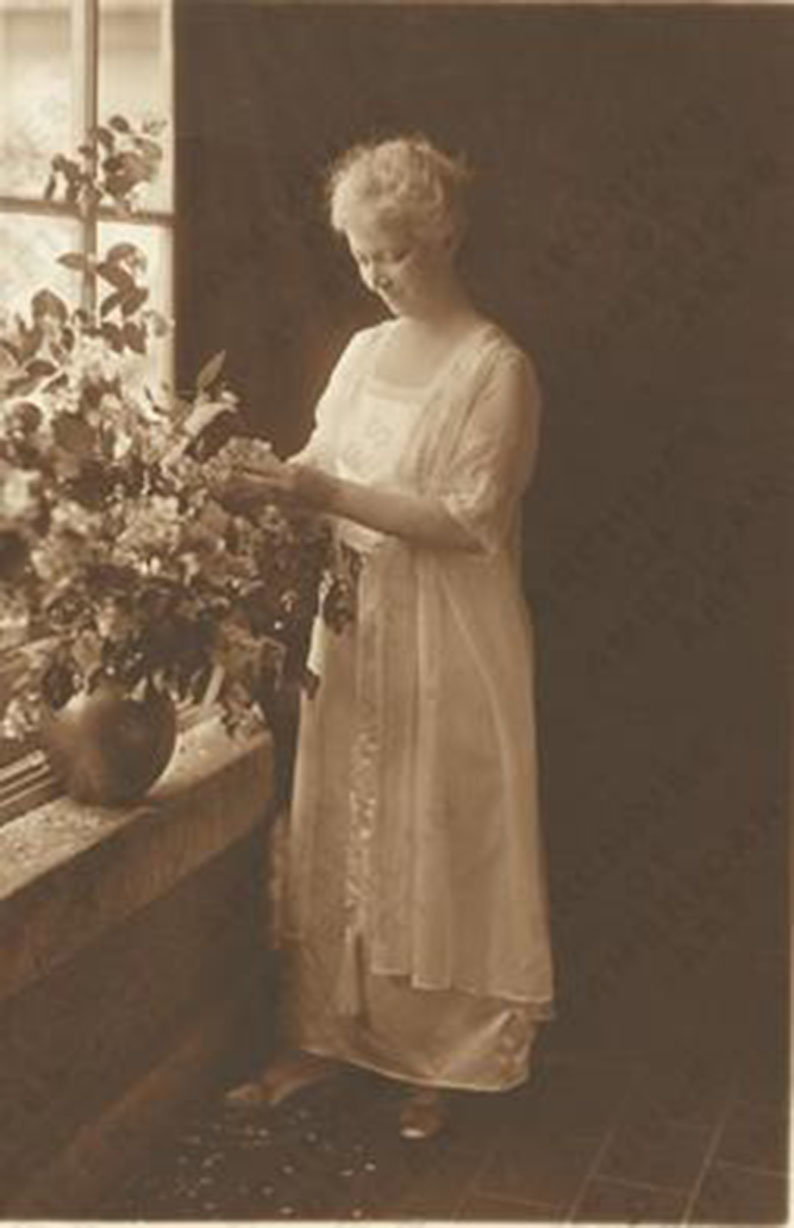
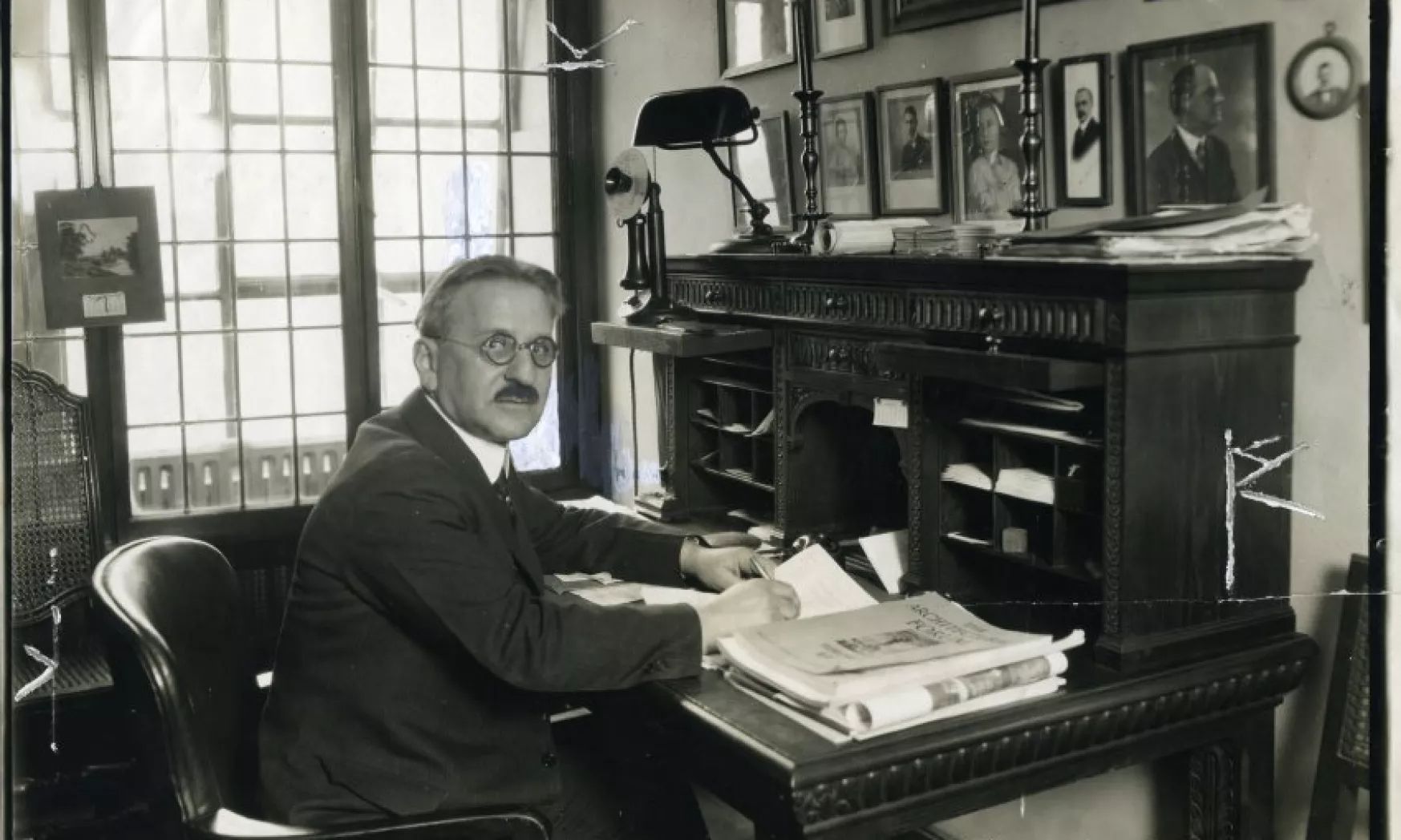
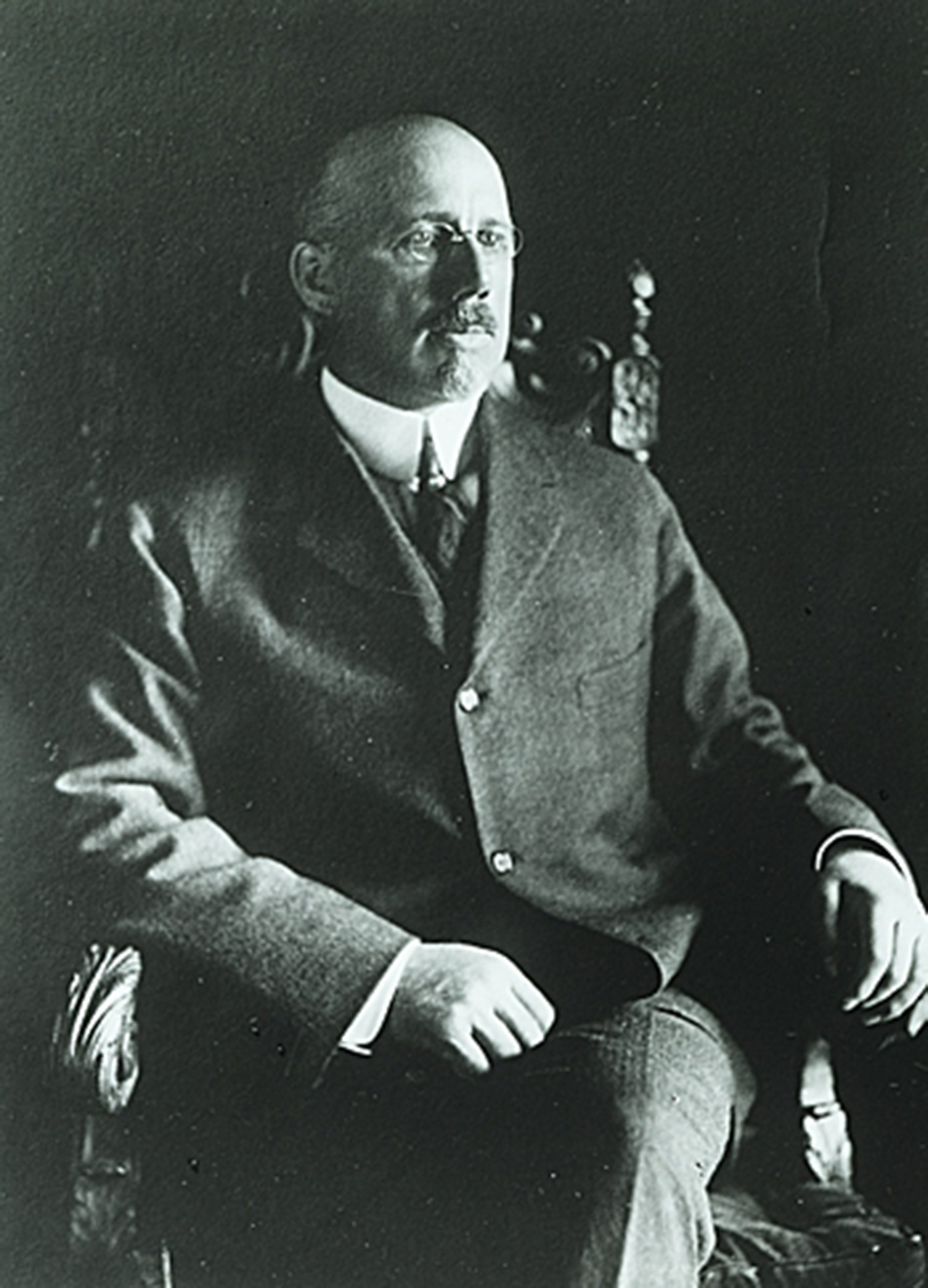
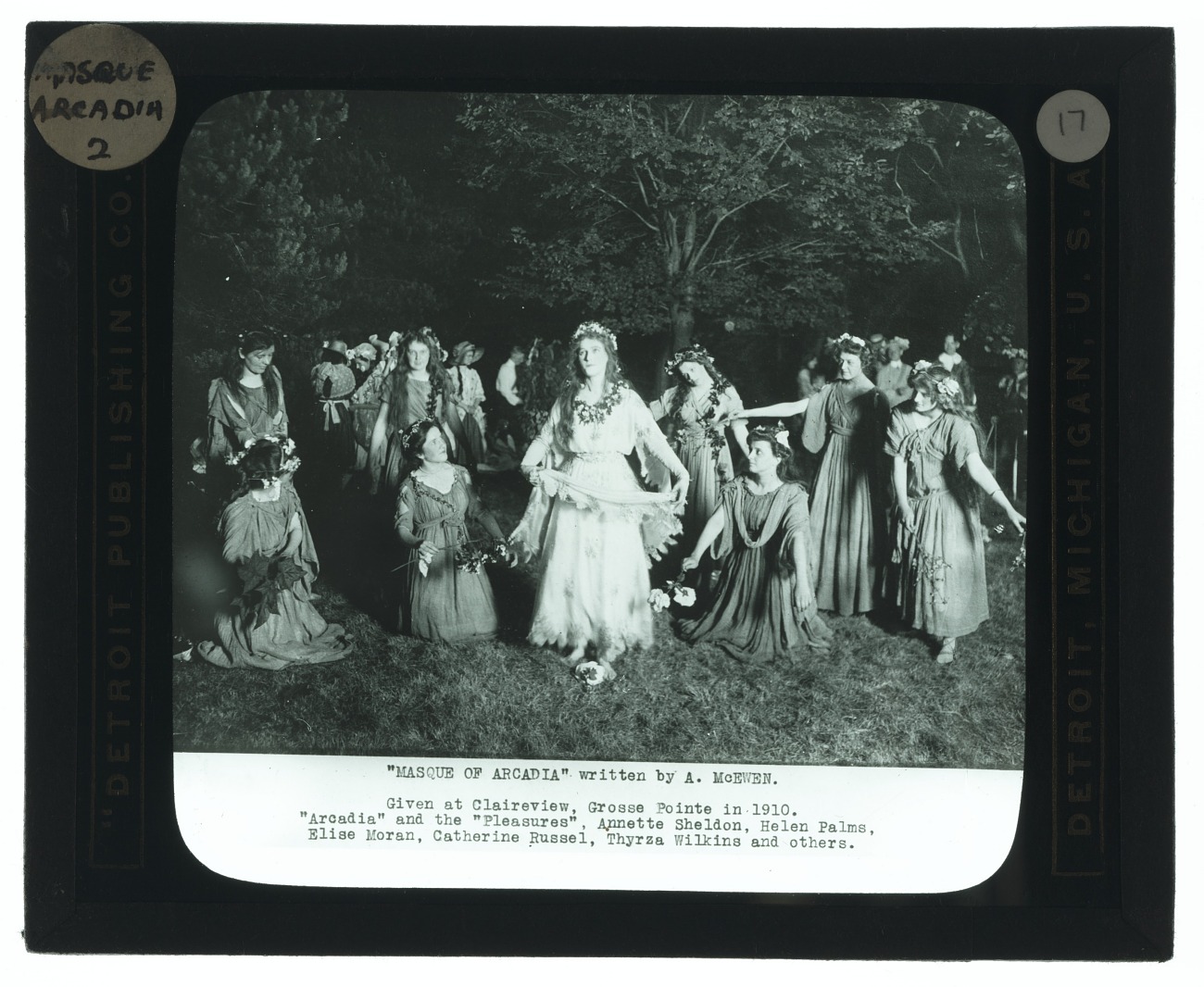
Though the Society’s early curriculum was limited, it provided in-depth training in both theory and practice, prioritizing aesthetic unity and an appreciation for the natural world. In 1911, as part of their mission to bring contemporary craft to Detroit, the Society of Arts and Crafts opened a gallery with plans to feature the work of students and prominent artists of that era.22 1911 also saw the Society’s relocation to 37 Witherell Street in Detroit, where they stayed only until 1916.23 In this brief period of time, the school expanded their educational program to include theatrical productions, one being the Masque of Arcadia, an outdoor play written by Alexandrine McEwen.24
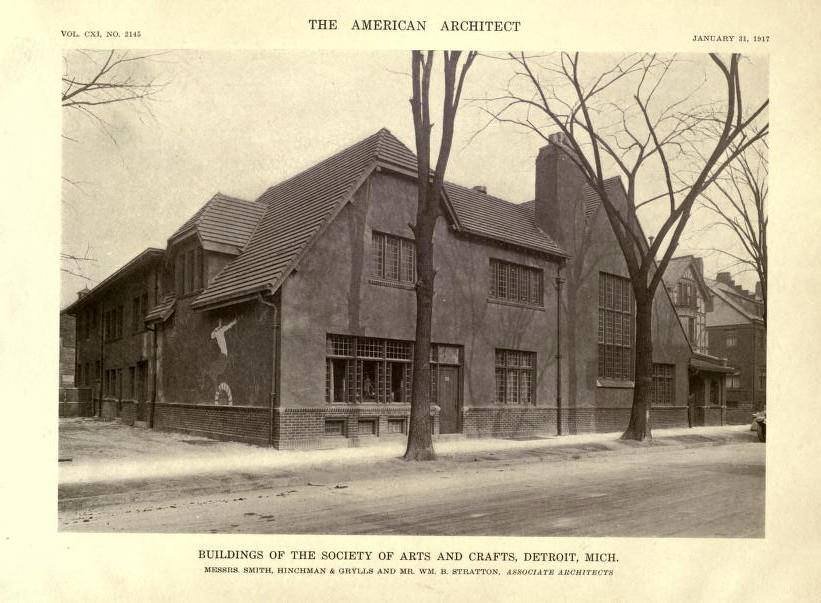
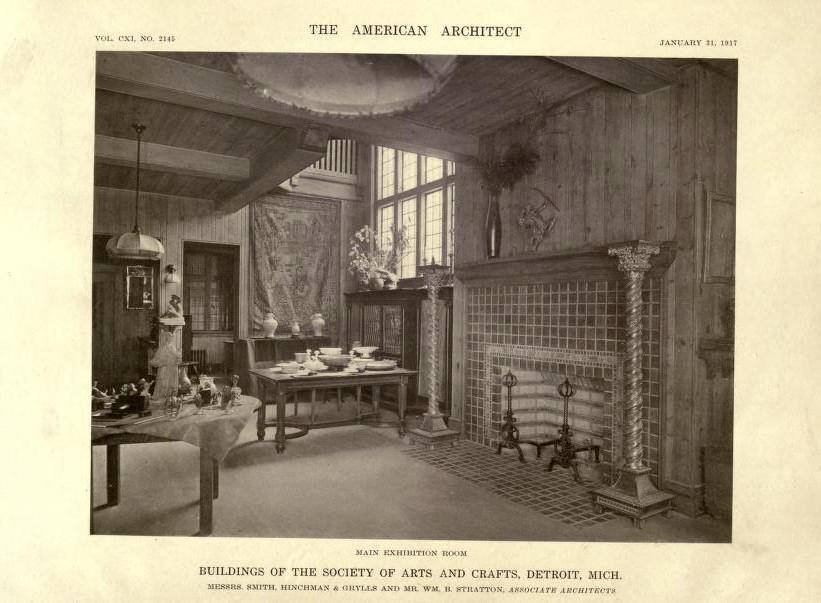
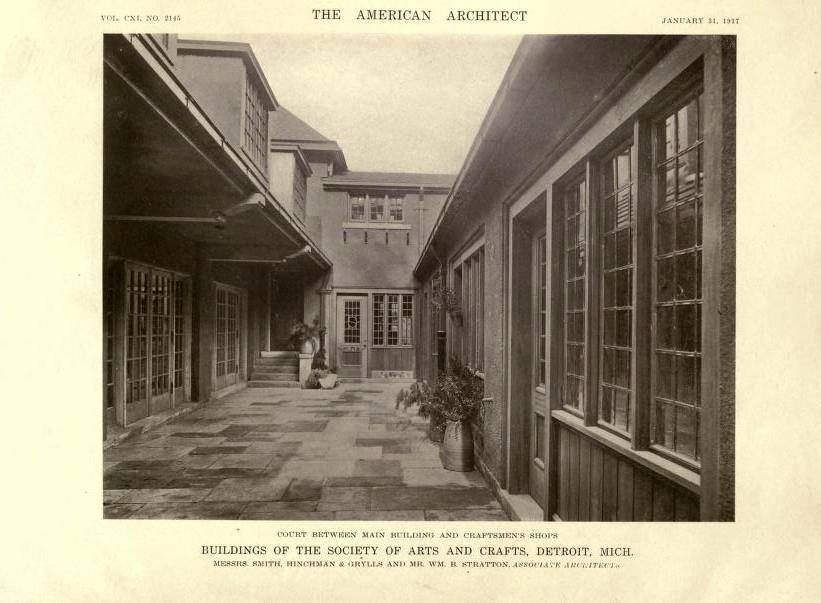
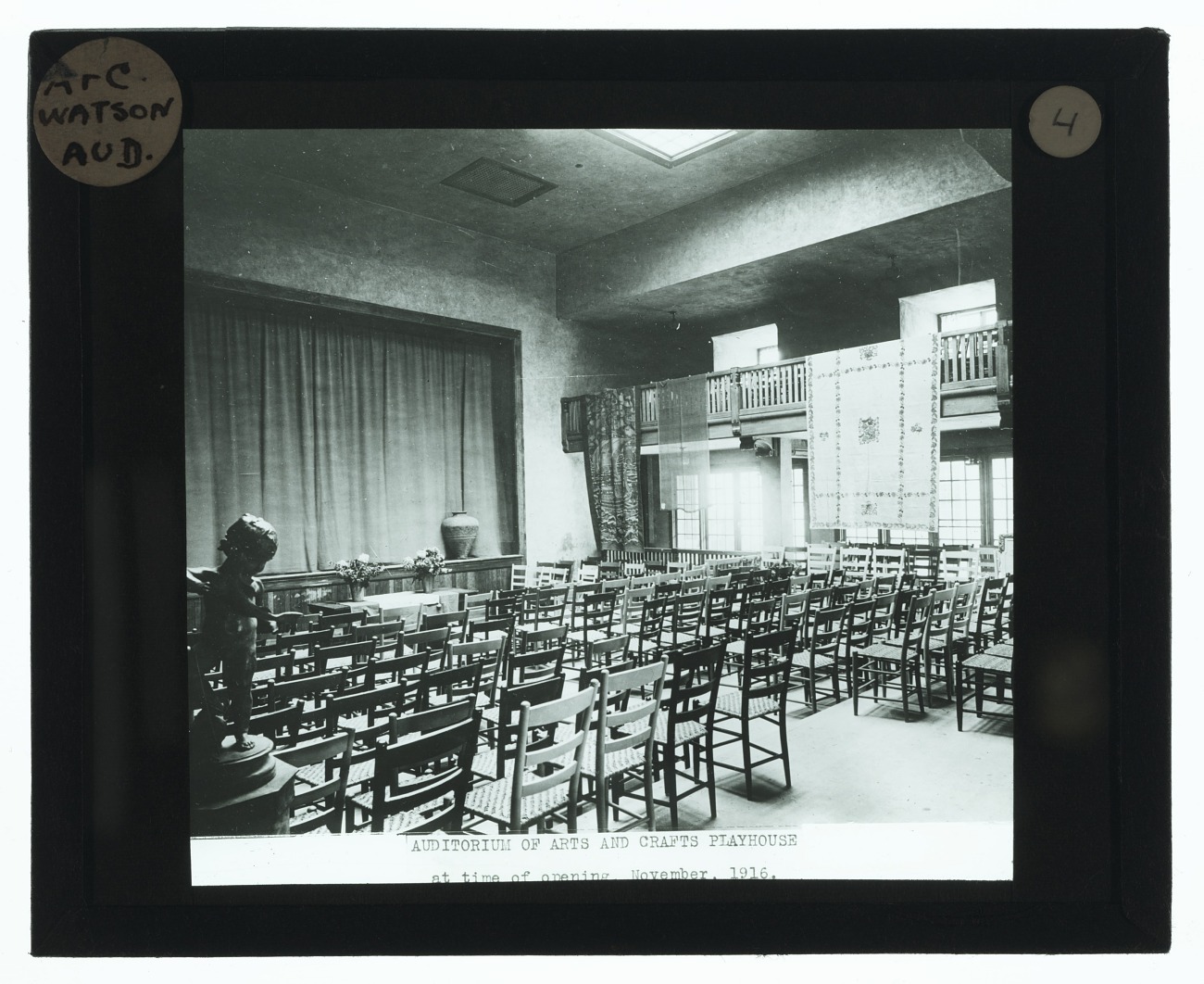
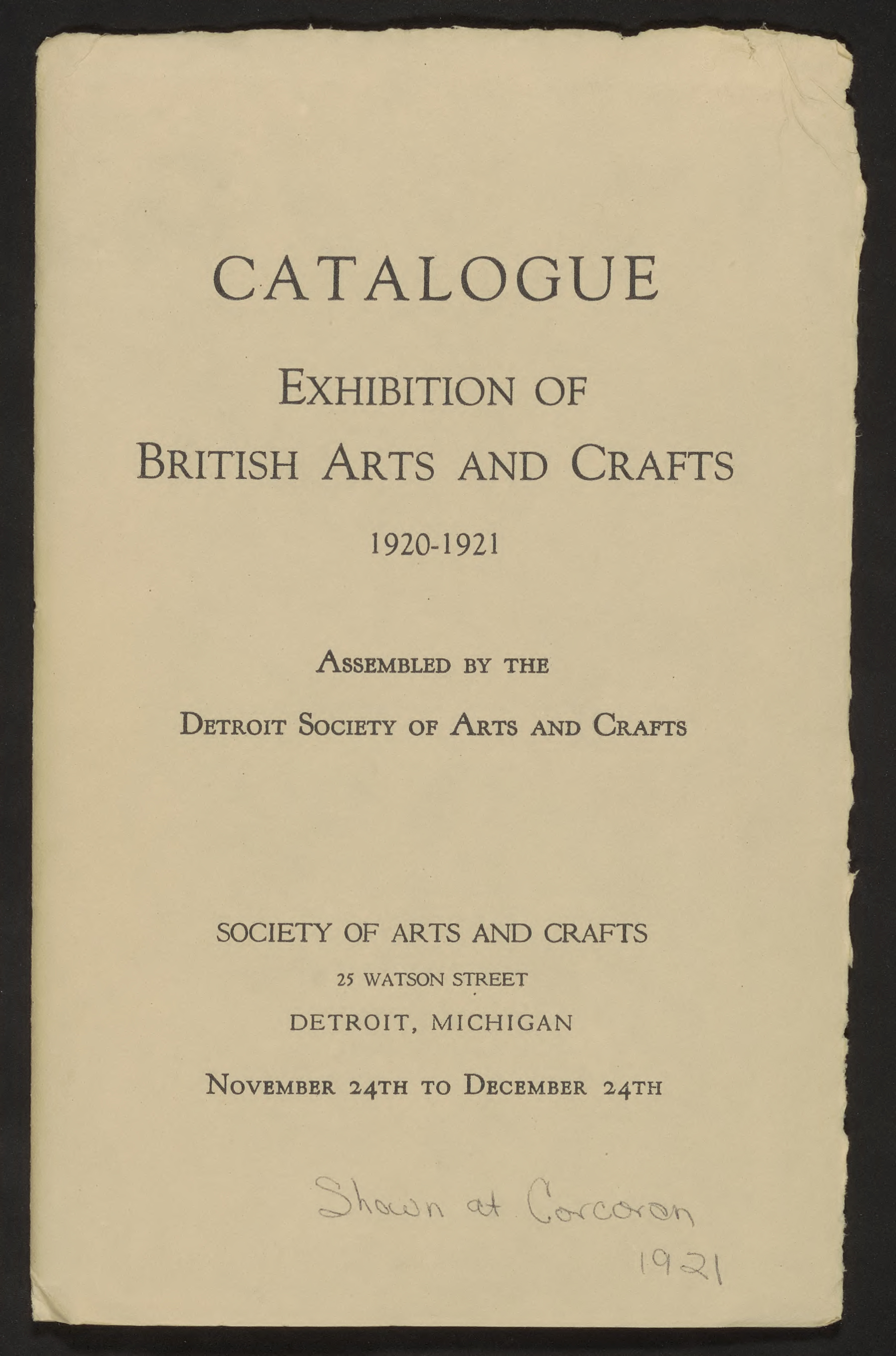
From 1916 until 1958, the Society was located in Brush Park at 25 Watson Street(later renumbered to 47 Watson Street), a brick and stucco cottage designed by William B. Stratton and Maxwell Grylls, who were also members of the Society.25 Continuing their legacy as a proponent of the Arts and Crafts Movement, the school continued to host gallery exhibitions featuring handmade craft and design products, including the Exhibition of British Arts and Crafts in 1921, and the Exhibition of Swedish Contemporary Decorative Arts in 1927. The Society also introduced training in Folk Handicraft and Lamp Design, but these programs faded in interest by 1922 and were removed from the curriculum following a broader decline in the Arts and Crafts Movement.26 The Society recognized the rising interest in modern machine-age design, and adjusted their curriculum to reflect that.
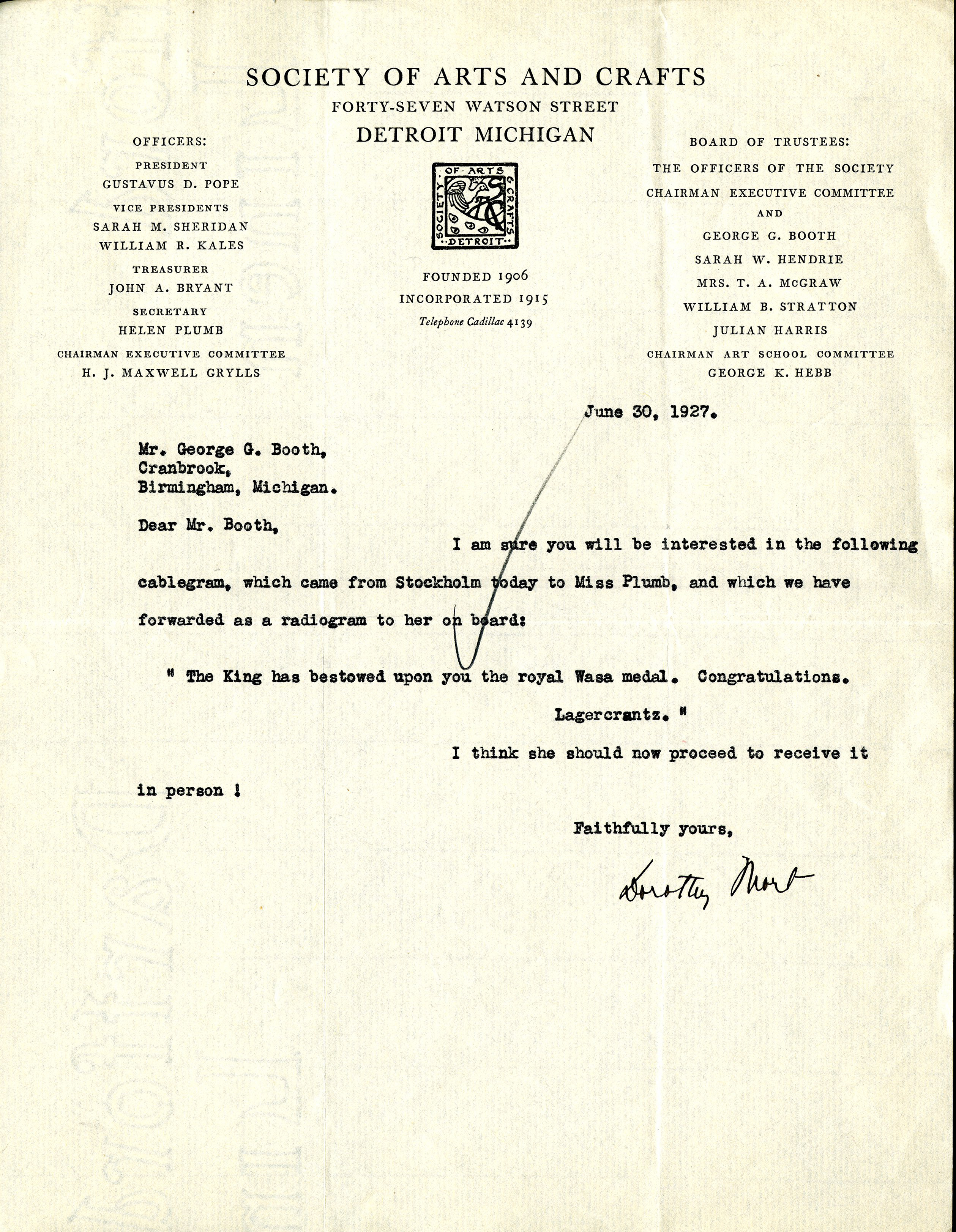
In 1926, the Society of Arts and Crafts became one of the first schools in the U.S. to offer a formal four-year education in art, and in 1933, gained additional recognition for establishing automobile design as an art form. According to a booklet from 1933, the school offered training in painting, modeling, ceramics, design, museum research and interior decoration, as well as lecture courses, Saturday morning classes and evening school.27 Renowned American artist and educator Charles McGee is an alumni of the Society of Arts and Crafts; after serving as a U.S. Marine in World War II, McGee used the G.I. Bill to study part-time while simultaneously working in the automotive industry.28 It was actually the G.I. Bill that prompted art schools across the country to begin integrating degree programs into their curriculum to accommodate the many post-war veterans seeking education in the arts.29 Art Fitzpatrick, who became a central figure in American automotive design, also studied at 25 Watson in the 1930s.30 Gordon Newton31 and Brenda Goodman32 were students at this Brush Park location in the 1960s before going on to join alumni Charles McGee as part of Detroit’s Cass Corridor Movement(circa 1960-1980), and build successful careers in art.
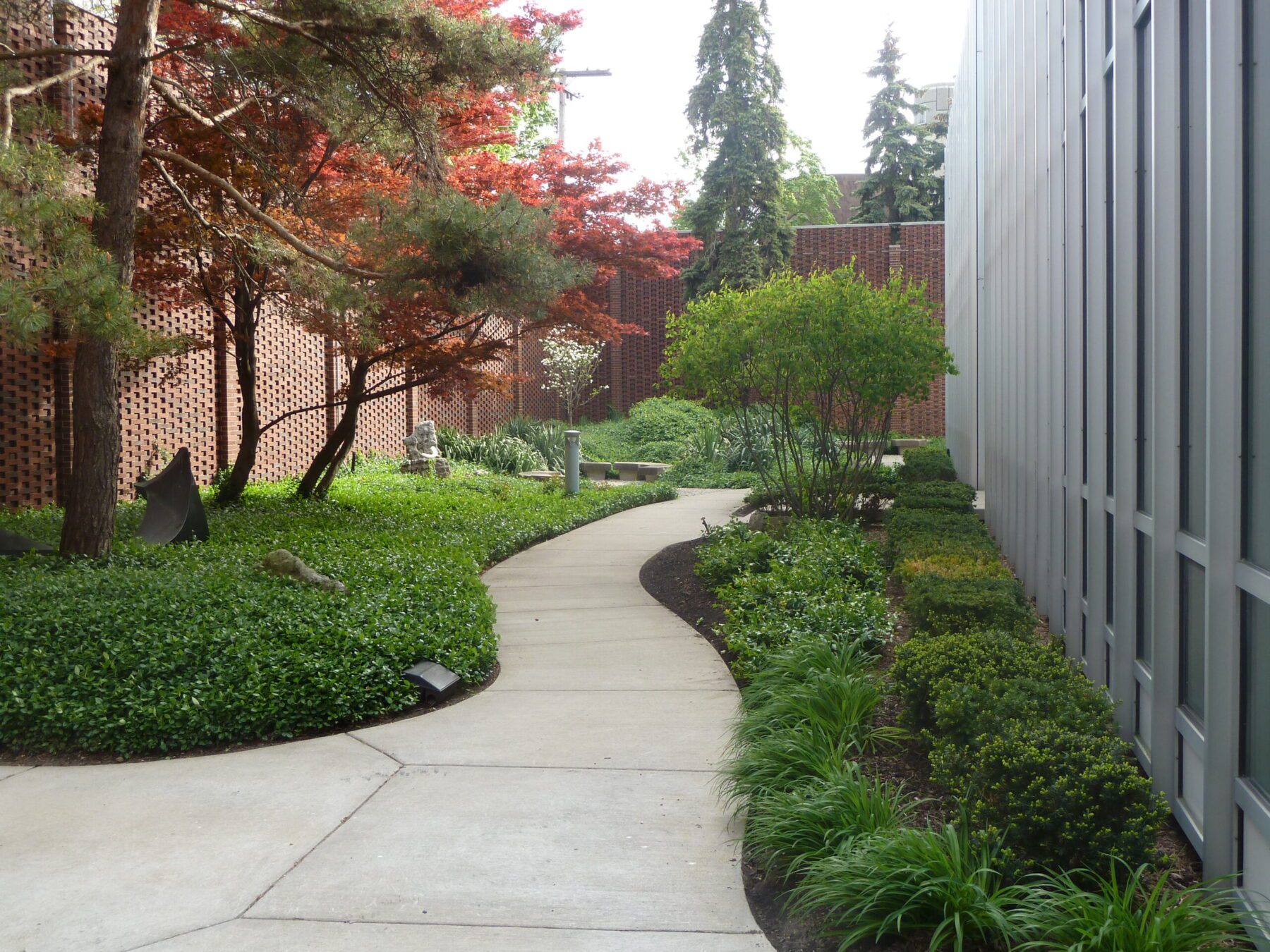
The school continued to gain traction and experience an influx in student enrollment, resulting in the need for more space. In 1958, they acquired a location that had room for growth and was closer to the Detroit Public Library, the Detroit Institute of Arts and other cultural institutions. The Walter and Josephine Ford Campus at 201 E. Kirby began with just one structure, a Mid-Century Modernist building designed by Japanese architect Minoru Yamasaki. Drawing inspiration from the Arts and Crafts Movement and Japanese garden design, the Yamasaki’s red brick screen wall was laid in a perforated, interlocking pattern that surrounds a glass curtain wall; in the center, a gabled atrium with a glass roof.33 As the school continued to elevate its status as a leading institution for art and design in the United States, such a building created the aesthetically pleasing environment that attracted students and artists worldwide. Wendy Froud, known for her work fabricating Yoda for the 1980 film Star Wars, studied fabric design and ceramics in the Yamasaki building, and graduated with her BFA in 1976.34 The school’s relocation to Detroit’s Cultural Center was followed by various stages of development and re-branding, starting in 1962, when they changed their name to The School of the Detroit Society of Arts and Crafts35 and introduced their first undergraduate degree program, a Bachelor of Fine Arts in Industrial Design accredited by the Michigan Department of Education.
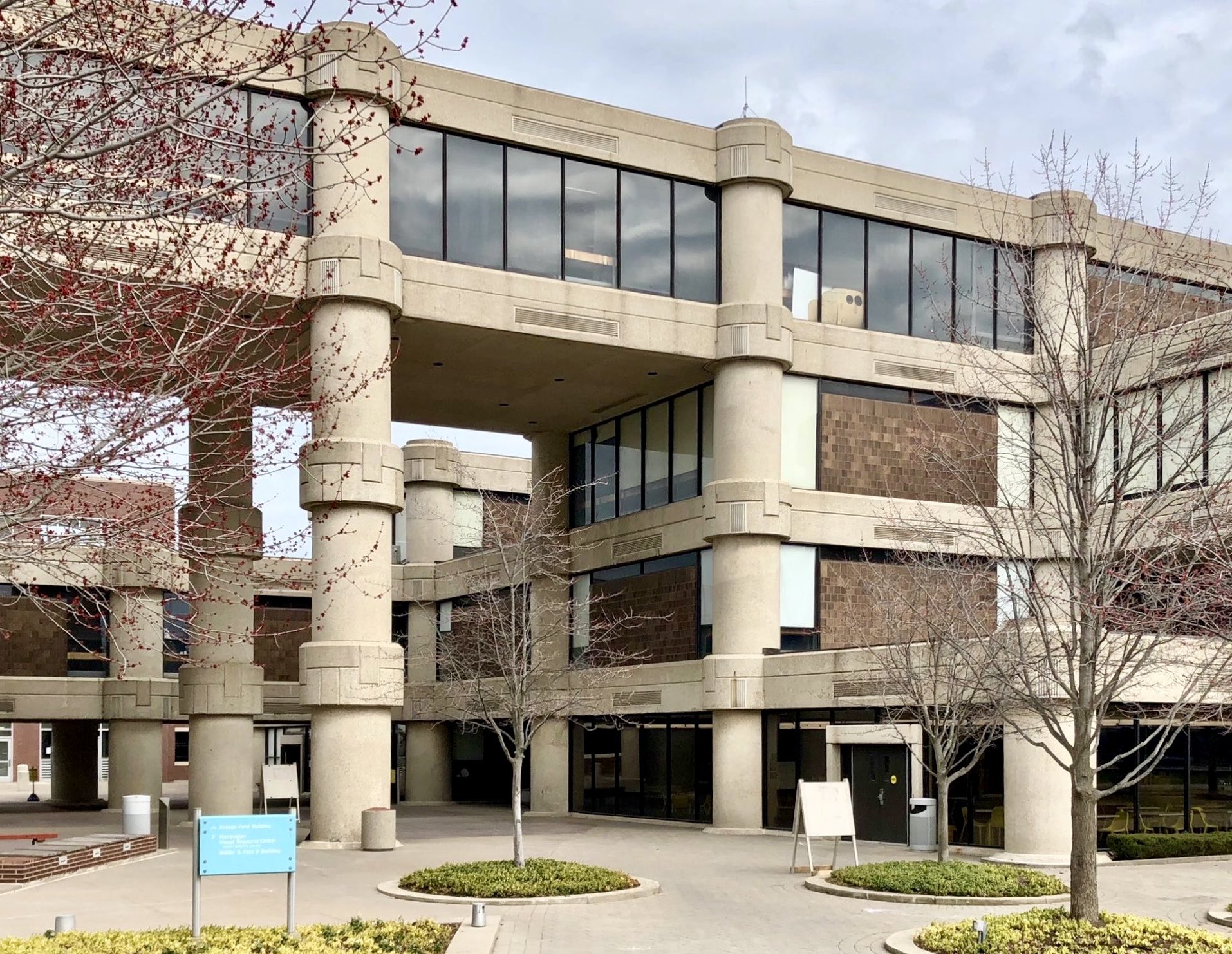
The following decade saw additional accreditations: in 1972 by the National Association of Schools of Art and Design (NASAD), and in 1977 by North Central Association of Colleges and Schools (NCA).36 In 1975, the school changed its name again to Center for Creative Studies—College of Art and Design,37 and began the construction of the Kresge-Ford Building designed by William Kessler and Associates. Known to students as the “tinker toy building”, it is a pre-cast concrete modular structure inspired by the Metabolist movement.38 I am an alumni of College for Creative Studies; I studied in the Fine-Art Department from 2005-2009, and almost my entire student experience took place inside this building. I had the pleasure of studying among artists like Kevin Beasley, Dylan Spaysky, Vincent Troia, and Venessa Merrill, who came together with other artists in 2007 to start CAVE Gallery, an artist-run studio and project space that still exists today. Previous classes of the Fine Art Department included renown artists like Kylie Lockwood, Nolan Simon and Michael E. Smith, each of whom have returned later to teach within the department. The quality of the training at College for Creative Studies, across all departments, can be attributed to the tutelage of field professionals. For example, first and second generation artists of Detroit’s Cass Corridor Collective, including Gilda Snowden and Lester Johnson, came on board as professors at the school, sharing their insight and appreciation for art as a practice and profession.
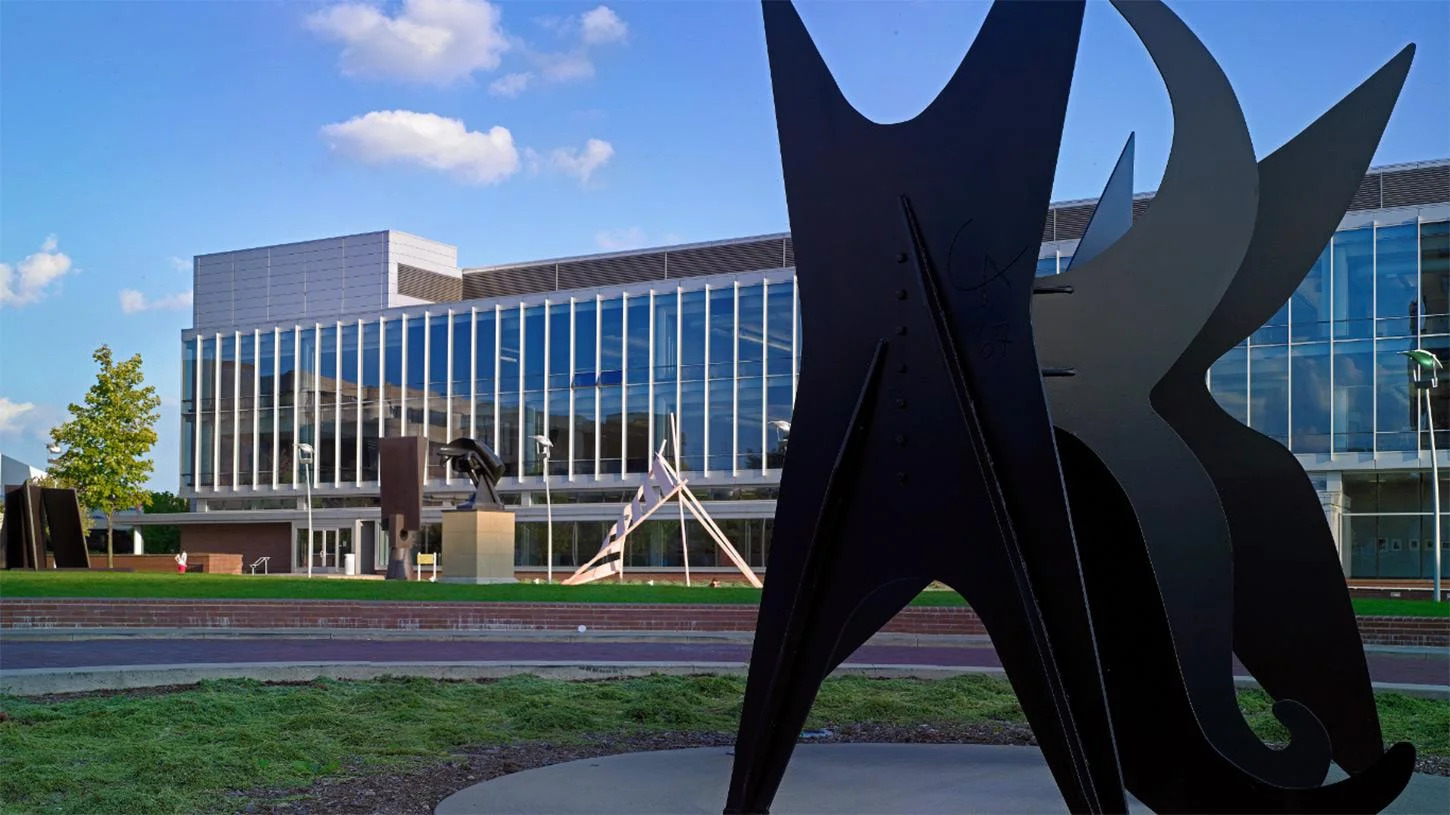
Shortly after the completion of the Kresge-Ford building, the campus expanded further in 1988 with the acquisition of the Art Centre Building, which became the main dormitory. In 1997, the building that once housed Detroit’s African American Museum of History was acquired and became the Manoogian Visual Resource Center. They added a parking structure in 1999, and in 2001 the Walter B. Ford II Building, designed by Gharfari Associates Inc., was built; the school changed its name once more to College for Creative Studies that same year.39 CCS continues the organization of exhibitions that began with the Society of Arts and Crafts; located on the Walter and Josephine Ford Campus, Center Galleries is the school’s flagship exhibition venue for contemporary art, and the U245 Gallery is the student-run space dedicated to exhibiting student work. The Valade Family Gallery, located on the New Center campus, also presents exhibitions for students, faculty and CCS alumni, as well as members of the Detroit community.
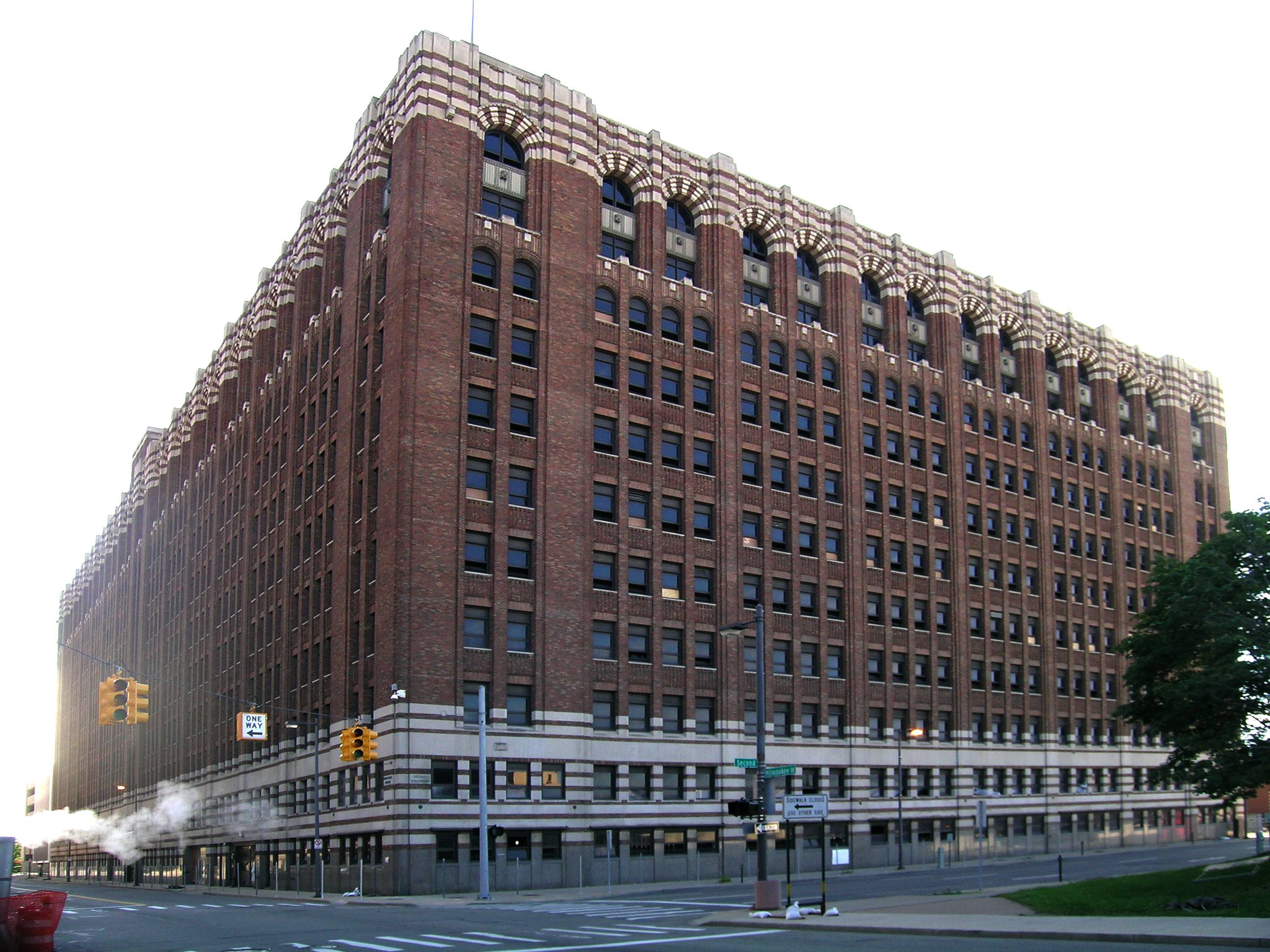
In 2007, the historic Argonaut Building in New Center had been gifted to CCS by General Motors, and in 2009 was inaugurated as the A. Alfred Taubman Center for Design Education. Working in tandem with the Walter and Josephine Ford Campus, this 11-story Albert Khan Art-Deco building is the second campus of College for Creative Studies, accommodating the school’s ever-growing curriculum, faculty and student body.40 In January of 2011, CCS announced its plans to open part-time MFA programs in Design and Transportation Design41 to complement BFA programs that currently include Communication Design & Strategy, Entertainment Arts, Fashion Business Management, Fashion Design, Film, Illustration, Interdisciplinary Art & Design, Interior Design, Photography, Product Design, Studio Art & Craft, and Transportation Design. Since then, they added Fashion Business Management to the BA program, and added Masters programs in Professional Studies in User Experience Design, Color & Materials Design, Design for Sustainability, Interdisciplinary Design and Media and User Experience Design, along with precollege classes, continuing studies programs, and free art education to Detroit youth through its Community Arts Partnerships program.42
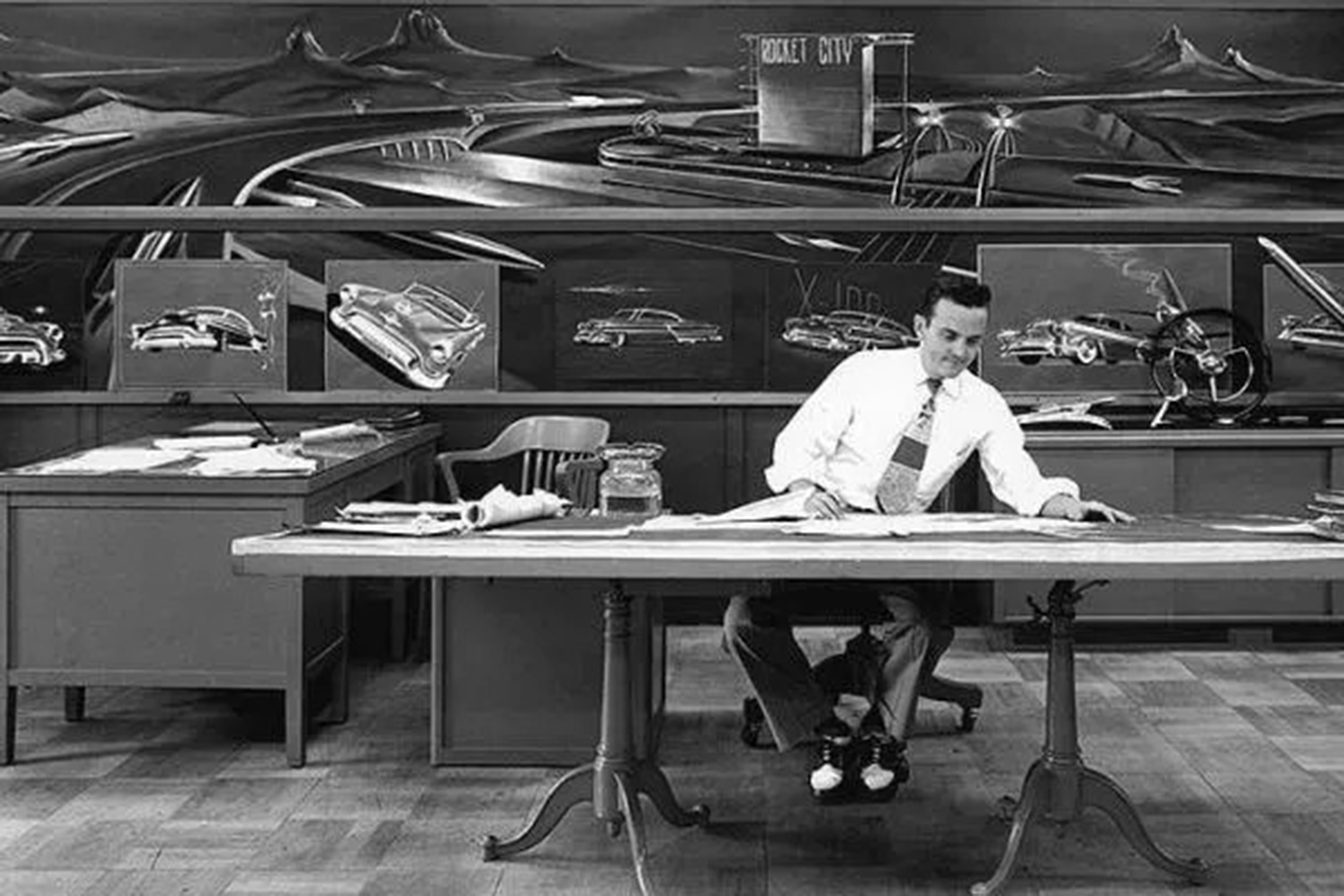
College for Creative Studies is considered to be a leading college for art and design in the United States, standing out because of its state of the art facilities and its connections to design and automotive fields, but also because of its involvement in Detroit becoming a UNESCO City of Design in 2015. Detroit Creative Corridor Center—a partnership between Business Leaders for Michigan and the College for Creative Studies (now called Design Core Detroit)—submitted the application to the UNESCO Creative Cities Network, garnering international attention for Detroit’s ongoing role in global design innovation.43 Detroit is one of 40 cities globally—and the only city in the United States—to have received this designation.44

As CCS evolves, it demonstrates the importance of career development through initiatives like sponsored research projects and real-world design challenges that often lead to job placement after graduation. The ability to adapt and respond to the times is what carried College for Creative Studies through dire circumstances like the Great Depression(circa 1929 – 1939), the White Flight Movement(circa 1950-1980) and the ups and downs of the automotive industry in Detroit(circa 1950-2010). Instead of being a casualty of these regional, national and even global economic downfalls, the college continues to position itself as a critical player in creative movements and innovation-based economies around the world.
Thank you to Stacy Hutchcraft and Amber Zundel of the Marketing and Communications Department at CCS, who offered support with editing and information finding.
1. “1906 Ford Model N Runabout.” The Henry Ford. Accessed September 23, 2025. Link.
2. “1907 Ford Model K Touring Car.” The Henry Ford. Accessed September 23, 2025. Link.
3. HBCraig, II. Detroit Transit History: The Dur Years (1901--1922). Accessed September 23, 2025. Link.
4. “Documentary Sheds Light on Detroit’s Role in Great Migration.” Ford From the Road. Accessed September 23, 2025. Link.
5. Cwiek, Sarah. “The Middle Class Took off 100 Years Ago ... Thanks to Henry Ford?” NPR, January 27, 2014. Link.
6. Walnut Wallpaper. “The Enduring Legacy of William Morris and the Arts and Crafts Movement.” Walnut Wallpaper, December 27, 2023. Link.
7. “City Beautiful.” Detroit, March 10, 2016. Link.
8. Rooks, Timothy. “Pewabic Pottery: Still Handcrafted in Detroit – DW – 08/01/2025.” dw.com, August 3, 2025. Link.
9. “College for Creative Studies.” Detroit Historical Society, November 27, 2019. Link.
10. “She Walks in Beauty: The Life and Work of Helen Plumb.” Cranbrook Kitchen Sink, May 22, 2021. Link.
11. Lower Woodward Avenue historic district final report. Accessed September 23, 2025. Link.
12. “Kunsky, John H.” Detroit Historical Society, November 11, 2024. Link.
13. “Detroit Opera House.” Detroit Historical Society, May 1, 2025. Link.
14. “Hudson’s.” Detroit Historical Society, December 1, 2024. Link.
15. “Crowley, Milner and Co..” Detroit Historical Society, January 17, 2019. Link.
16. “R.H. Fyfe & Co..” Detroit Historical Society, February 3, 2021. Link.
17. “Ernst Kern Company.” Detroit Historical Society, May 2, 2025. Link.
18. “Alexandrine McEwen, Founding Member.” Detroit Society of Women Painters and Sculptors ~ Founded in 1903. Accessed September 23, 2025. Link.
19. “DWPS History (Jackie Rybinski).” Detroit Society of Women Painters and Sculptors ~ Founded in 1903. Accessed September 23, 2025. .Link.
20. “She Walks in Beauty: The Life and Work of Helen Plumb.” Cranbrook Kitchen Sink, May 22, 2021. Link.
21. “George Booth.” Cranbrook Center for Collections and Research, May 21, 2020. Link.
22. “Detroit Society of Arts and Crafts.” Detroit Society of Women Painters and Sculptors ~ Founded in 1903. Accessed September 23, 2025. Link.
23. “She Walks in Beauty: The Life and Work of Helen Plumb.” Cranbrook Kitchen Sink, May 22, 2021. Link.
24. “Cranbrook Masque.” Cranbrook Kitchen Sink. Accessed September 23, 2025. Link.
25. “Detroit Society of Arts and Crafts Building.” Michigan Modern. Accessed September 23, 2025. Link.
26. “She Walks in Beauty: The Life and Work of Helen Plumb.” Cranbrook Kitchen Sink, May 22, 2021. Link.
27. “College for Creative Studies on Instagram: ‘Flashback to 1933! before We Were #CCSDetroit, We Were the Art School of the Detroit Society of Arts and Crafts-and Our Course Catalog Looked a Little Different. Departments? Just the Essentials: Drawing, Painting, Modeling & Ceramics, Design, Museum Research, and Interior Decoration. No Digital Labs or Animation Suites, Just Hands-on Creativity. Today, We’ve Grown Far beyond Those Humble Beginnings. from Undergraduate to Graduate Degrees, and Even Precollege and Continuing Education Programs for Youth, Teens, and Adults, CCS Continues to Evolve, Always Building on the Foundation of Where We Started. and We’re Just Getting Started!Swipe through to See How Far We’ve Come (and Maybe Spot Your Dream Class from 90 Years Ago ).’” Instagram. Accessed September 24, 2025. Link.
28. “Estate of Charles McGee.” LSC, January 28, 2025. Link.
29. “The Decline of the Visual Education of Artists and the Remedy by Mark D. Gottsegen.” Art Renewal Center. Accessed September 23, 2025. Link.
30. Gallina, Eric. “Commemorating an Icon: Art Fitzpatrick (1919-2015).” Form Trends, November 27, 2015. Link.
31. “Gordon Newton.” Kresge Arts in Detroit, September 12, 2023. Link.
32. Published, and Rosie Sharp. “Twin Retrospectives Mark a Triumphant Homecoming for Detroit Painter Brenda Goodman.” Knight Foundation, December 10, 2015. Link.
33. “Detroit Society of Arts and Crafts Building.” Michigan Modern. Accessed September 23, 2025. Link.
34. “42 Years Ago, the ‘Mother of Yoda’ Conquered Hollywood - Then She Vanished.” Inverse, February 20, 2024. Link.
35. “College for Creative Studies.” Detroit Historical Society, November 27, 2019. Link.
36. “History.” College for Creative Studies, February 5, 2025. Link.
37. “College for Creative Studies.” Detroit Historical Society, November 27, 2019. Link.
38. pls4e. “College for Creative Studies (Center for Creative Studies).” SAH ARCHIPEDIA, September 5, 2019. Link.
39. “A Brief History.” Policies. Accessed September 23, 2025. Link.
40. “College for Creative Studies.” AlbertKahn. Accessed September 23, 2025. Link.
41. Studies, College for Creative. “College for Creative Studies (CCS) Offers Part-Time MFA.” PR Newswire: press release distribution, targeting, monitoring and marketing, June 30, 2018. Link.
42. “About Us.” College for Creative Studies, July 30, 2025. Link.
43. “Detroit.” UNESCO.org. Accessed September 23, 2025. Link.
44. “Design Cities (UNESCO).” Wikipedia, June 3, 2025. Link.