




Mary Kate & Ashley
October 8, 2026
This era of wage stagnation and extreme wealth gaps has spawned an industry that feeds the foot fetish, generating opportunities to make some bucks by selling pics of our working-class dogs to the phalange aficionados of the world. Such an allure is mysterious and multifaceted, seeming to manifest out of an impulse to occupy a spectrum of transgressive sensuality that spans from the playful adoration of the human form to the self-abasement inherent in worship. Medieval days of veneration can be seen represented in liturgical compositions of the church, where the act of interacting with feet holds a deeply layered spiritual meaning. By washing the feet of his disciples, Jesus becomes the humble servant; through mimesis, the devoted can follow in his path.
The polarizing effect that this aspect of human anatomy evokes across society renders them a reliable portal into an anomalous space where we can explore our psychological and physical responses to the material world around us. The drive to navigate this realm that exists on the margins of normality is shared by many, but pursued only by some. The artists, writers, and thinkers who readily journey into the weeds to probe our taboo whims bring back discoveries that promote self-reflection and compassion, but in many societies, this courageous work is not regarded as an occupation worthy of investment. The stereotype of the “starving artist” actually emerged in the 1840s during the Romantic Era, initially popularized by the Bohemian subculture of Paris. Before the 19th century, artists were hired as skilled craftspeople for wealthy patrons, royalty and the church, but the traditional preoccupation with idealism started to deviate with the critique of Enlightenment logic and industrial capitalism. The artist’s newfound embrace of autonomy activated creative practices where personal feelings, passion, intuition and inner psychological life were prioritized over making a profit. Financial comfort being perceived as the antithesis of sincerity continues to welcome the practice of self-sacrifice in the name of authenticity, but also perpetuates the neglect of “the artist” as a profession worthy of economic agency.
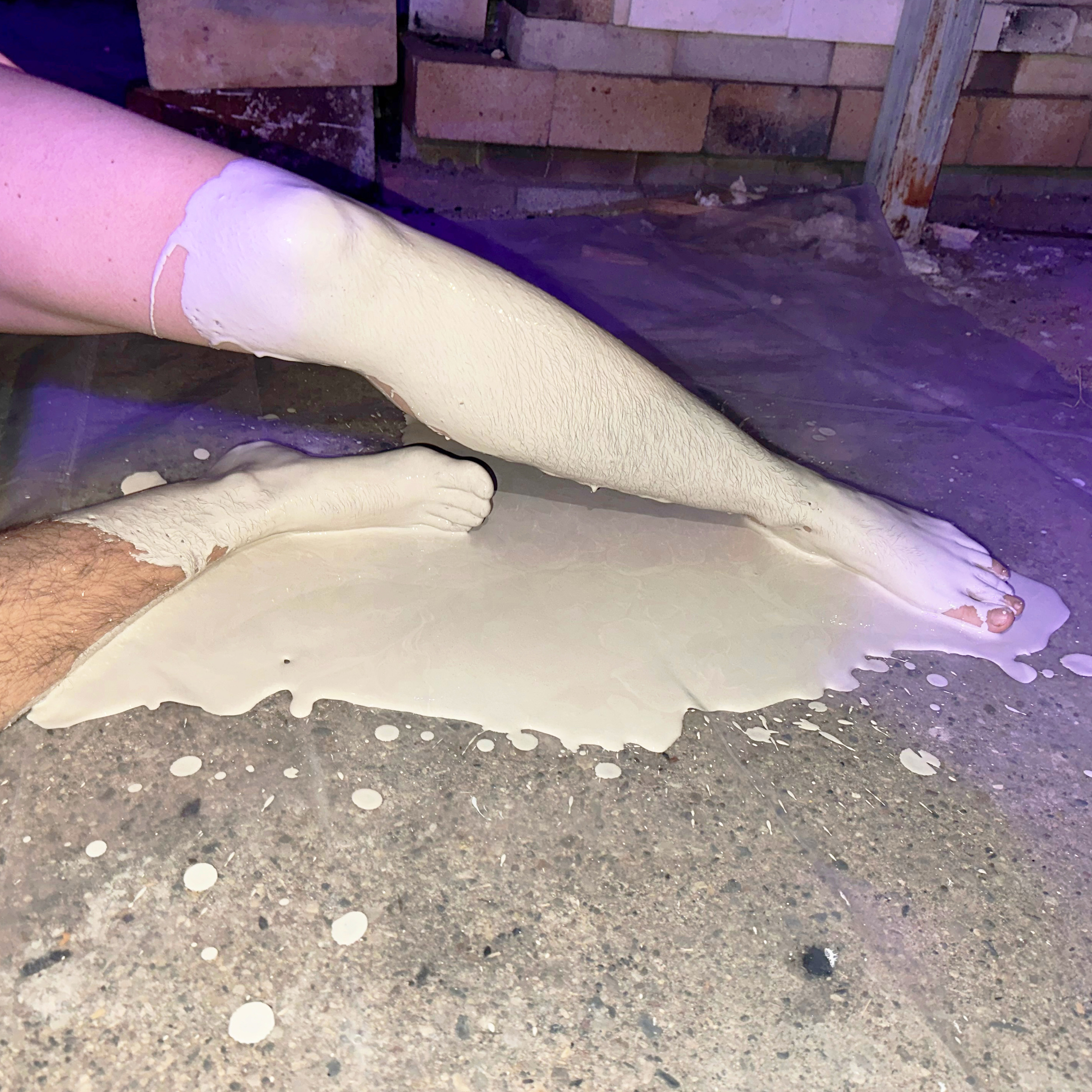
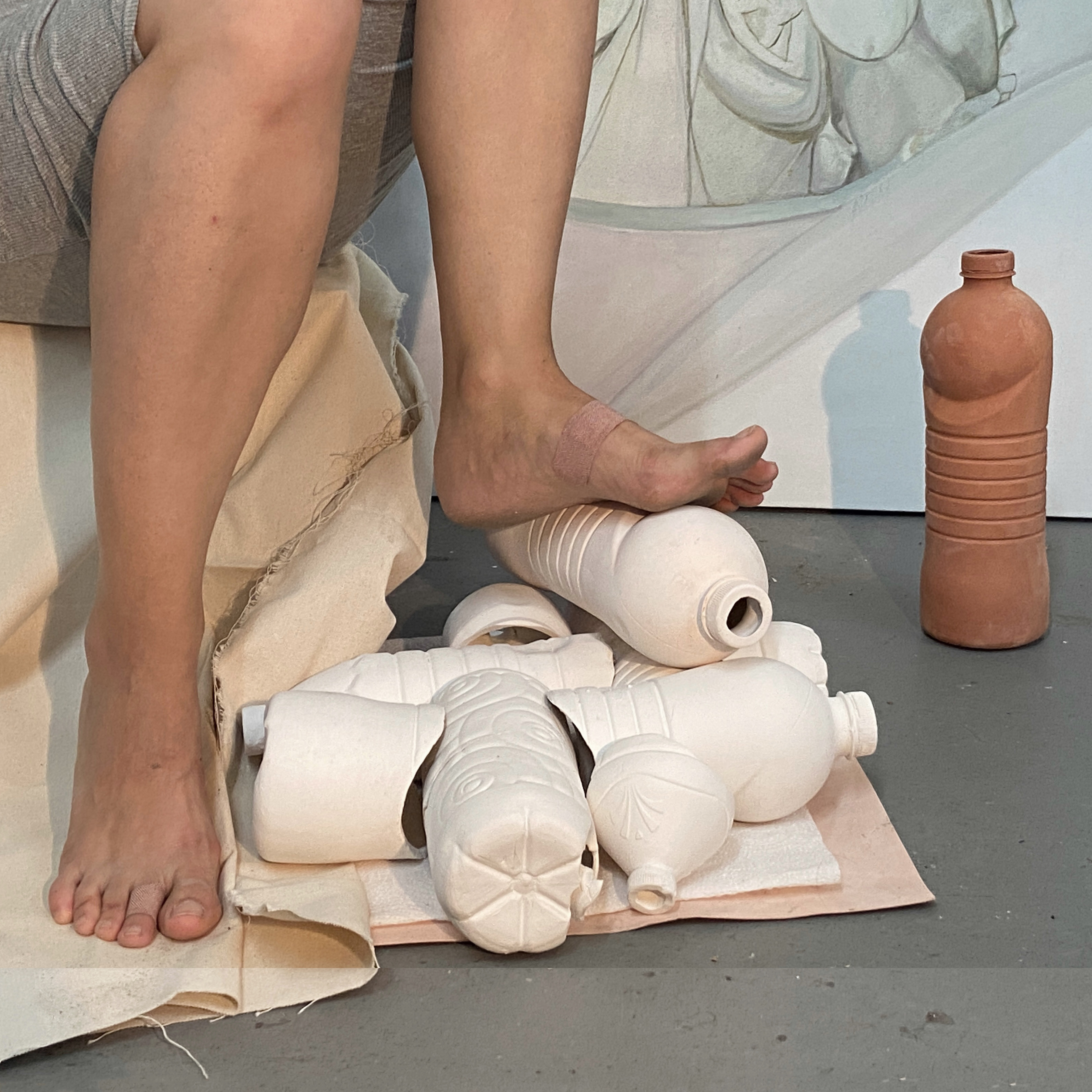
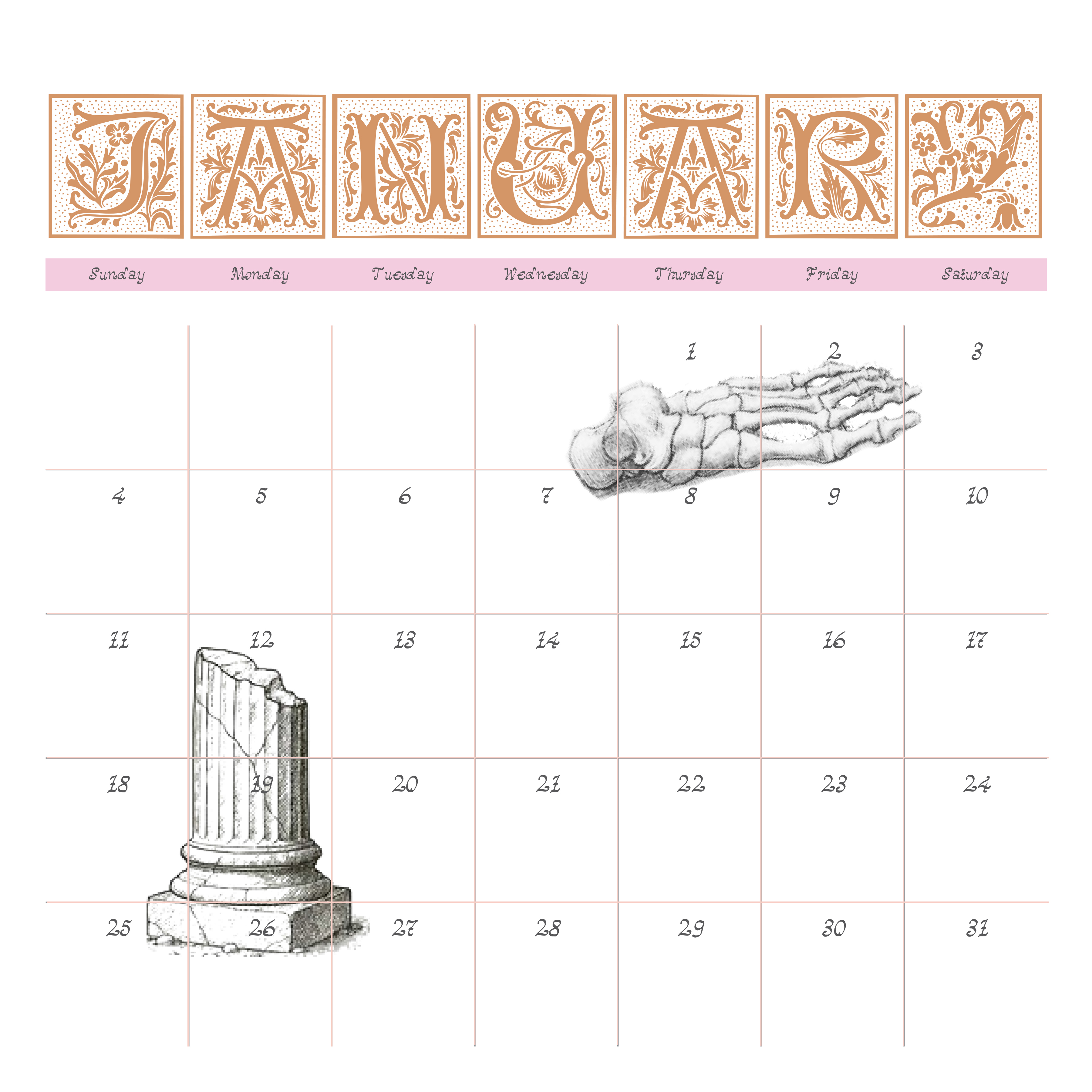
Society’s undervaluation of artists is a systemic, historical issue that has persisted for centuries, separating artistic talent from actual work, or viewing creativity as a magical gift rather than hours of practiced labor. Employers and clients use the “labor of love” myth, or the “exposure” trap as excuses to underpay, delay compensation, or expect the work for free. The prevalence of such audacity has led to a whole demographic of trained professionals without reliable career paths and almost no labor protections regardless of the profound—and measurable—value that they bring to the world around them. The series of photographs in our Foot Pics Calendar feature twelve Detroit-based artists who are posed like figures in the works of Old Masters. To us, this gesture highlights the artistry in the foot pic, the romance in the fetish, and the unconventional career paths that artists need to take to survive.
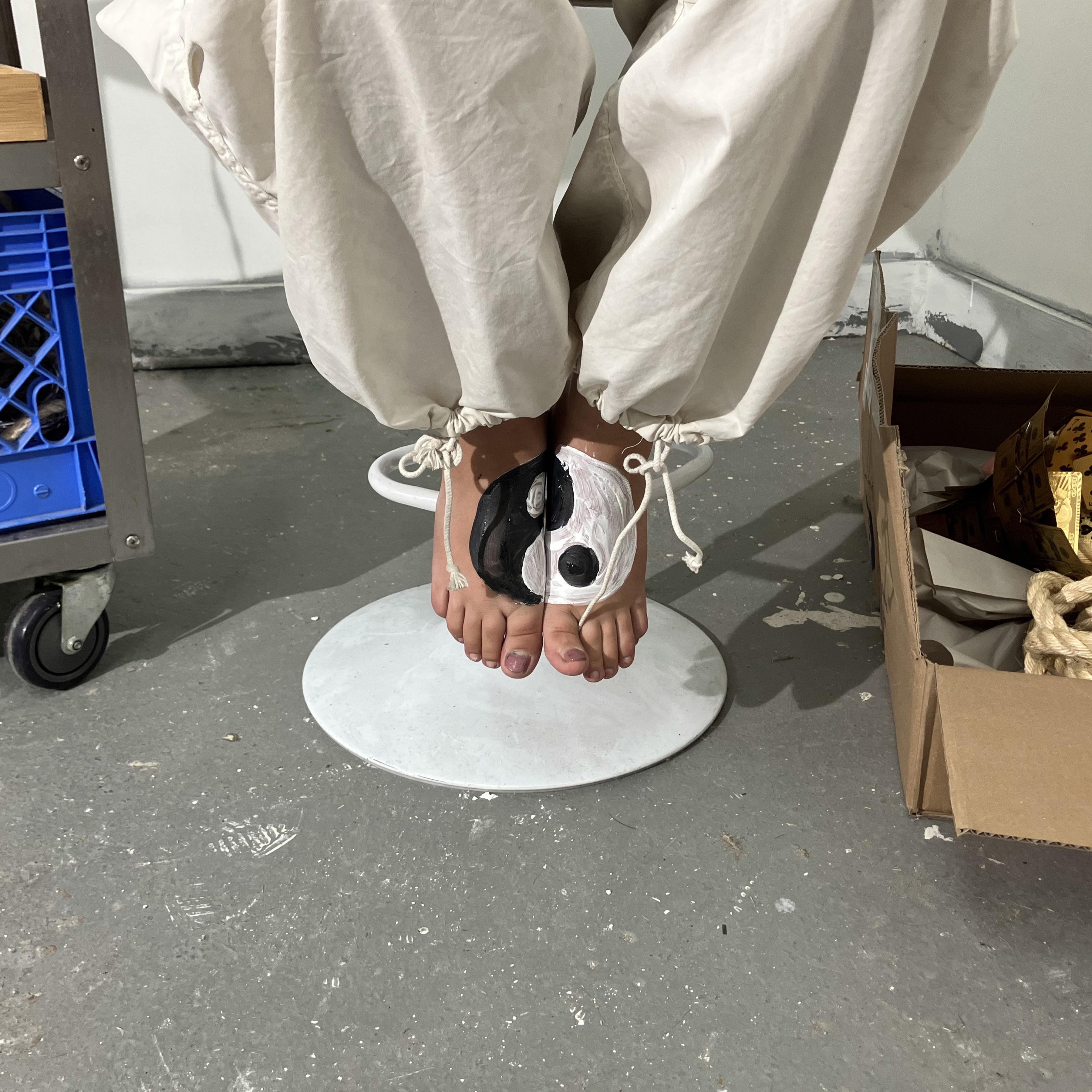
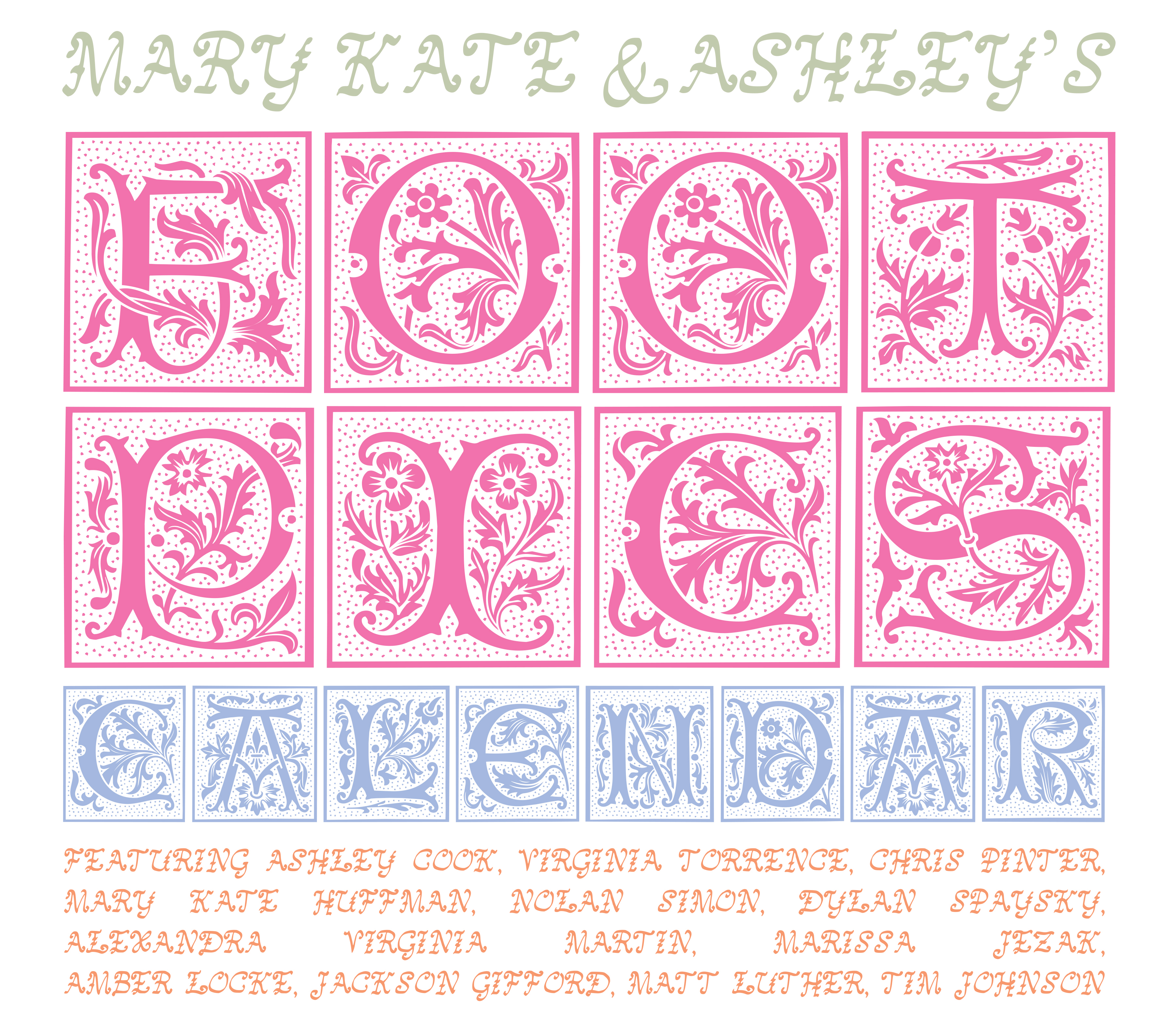
Mary Kate & Ashley’s Foot Pics Calendar features the feet of Ashley Cook, Virginia Torrence, Chris Pinter, Mary Kate Huffman, Nolan Simon, Dylan Spaysky, Alexandra Virginia Martin, Marissa Jezak, Amber Locke, Jackson Gifford, Matt Luther, and Tim Johnson.
The calendars were produced as a fundraiser for runner magazine, and will be for sale at the Detroit Art Book Fair on October 11th and 12th, 2026.