




Ashley Cook
June 7, 2025
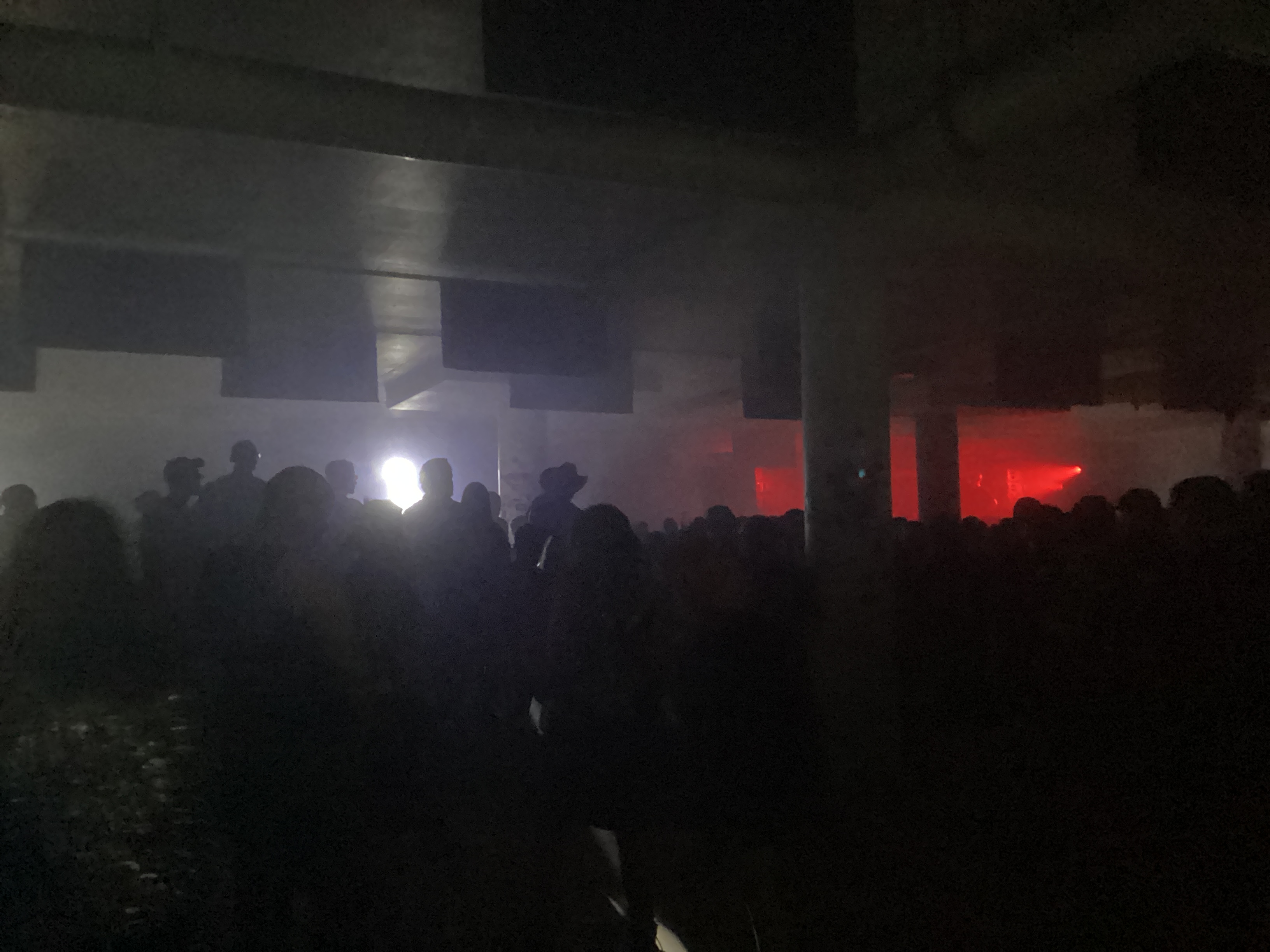
PAR Lights and Blinders - Underground Stage
Ambiance has the power to influence the experience and behavior of club-goers. Whether it’s a jazz club, strip club or dance club, visual elements help to carve out the venue’s place within the history of that scene, with decorative techniques employed consistently from one venue to the next. Lighting is, of course, vital to the club, and since the first myriad reflector (also known as the disco ball) was invented by a team of electricians in 18971, investigations into illumination have rendered an ever-growing spectrum of solutions that actively shape our relationship to the world around us.
While fixed brick and mortar establishments enjoy a type of stability that allows for long-term and expensive lighting design, the foundation of the underground rave is impermanence. From the beginning, Detroit Techno music has been deconstructing sounds, and blending human and technology into creative hybrid entities. This movement of sonic samples quickly grew to include re-purposed spaces, signage and lights. Although this cultural genre, born in Detroit from abandonment and innovation, has evolved to incorporate sophisticated techniques to light the stages and dancefloors, many have figured out ways to keep the DIY spirit alive. As I was photographing the environmental and worn illuminations of Movement 2025, I was able to capture the essential role that lighting plays in rave culture, and the inventive solutions that contemporary ravers dream up. The following paragraphs comprise images from Movement this year, and some facts about the history of lights used at raves.
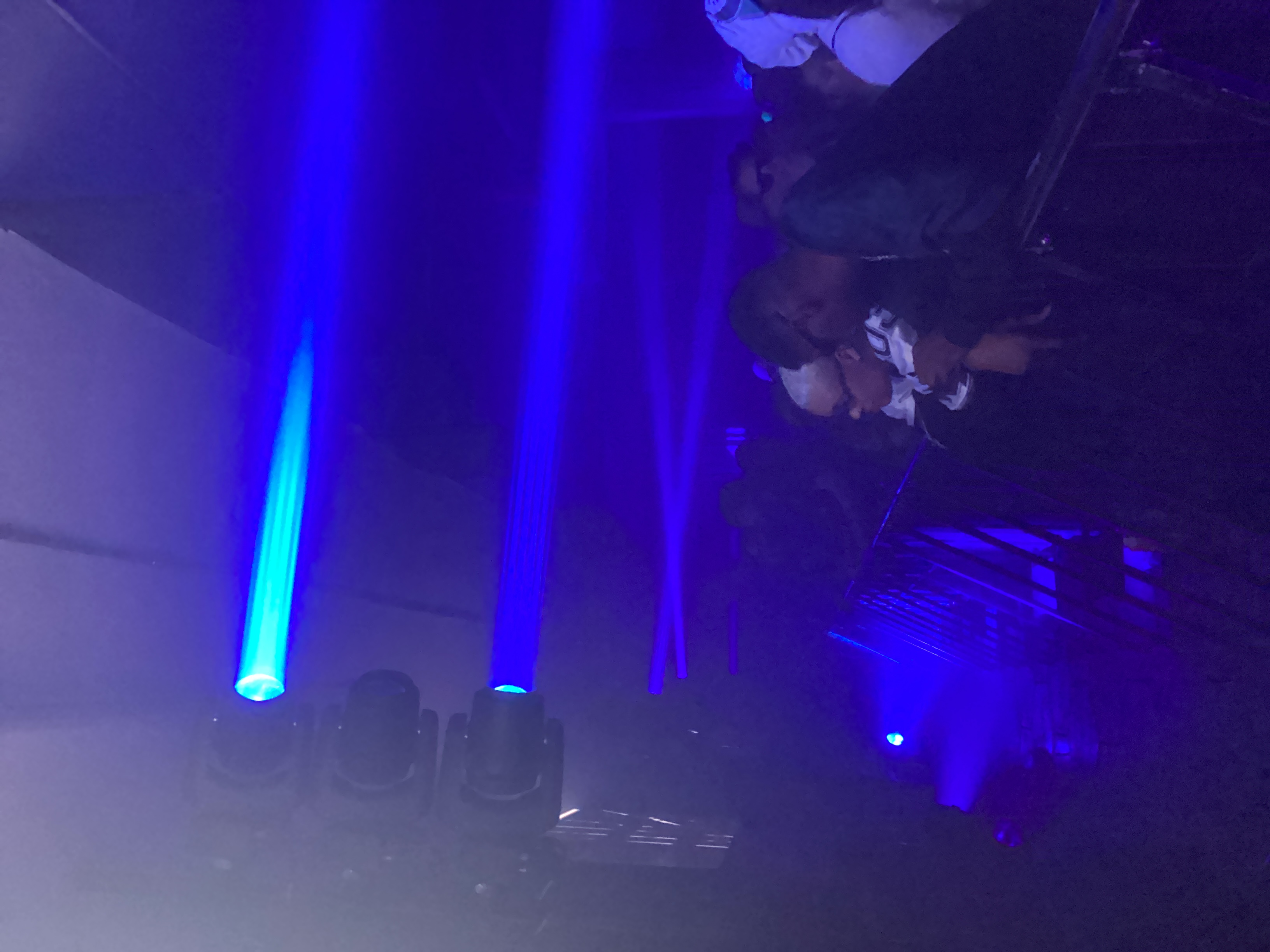
PAR Lights and Blinders - Underground Stage
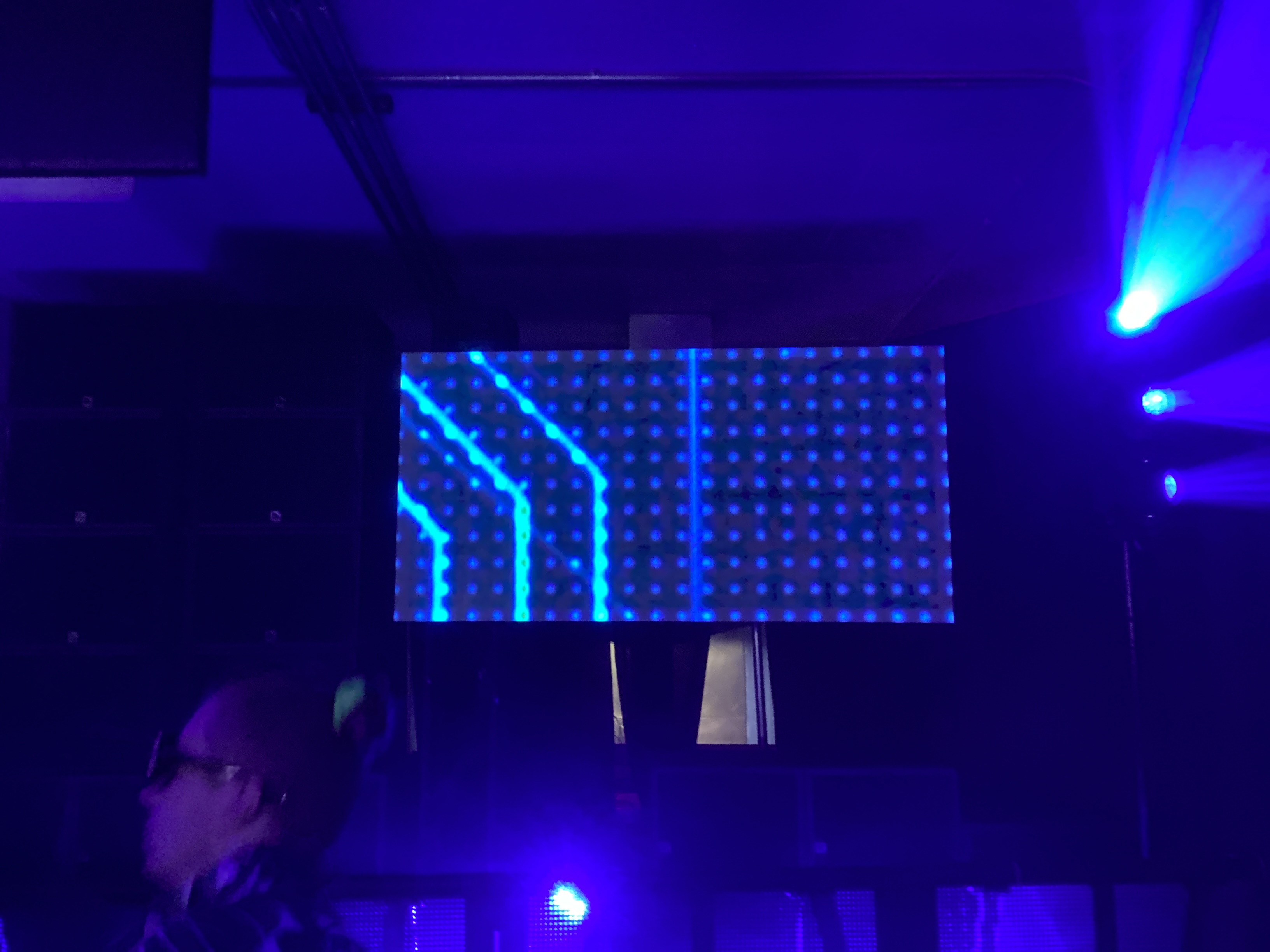
PAR Lights and LED Panel - Underground Stage
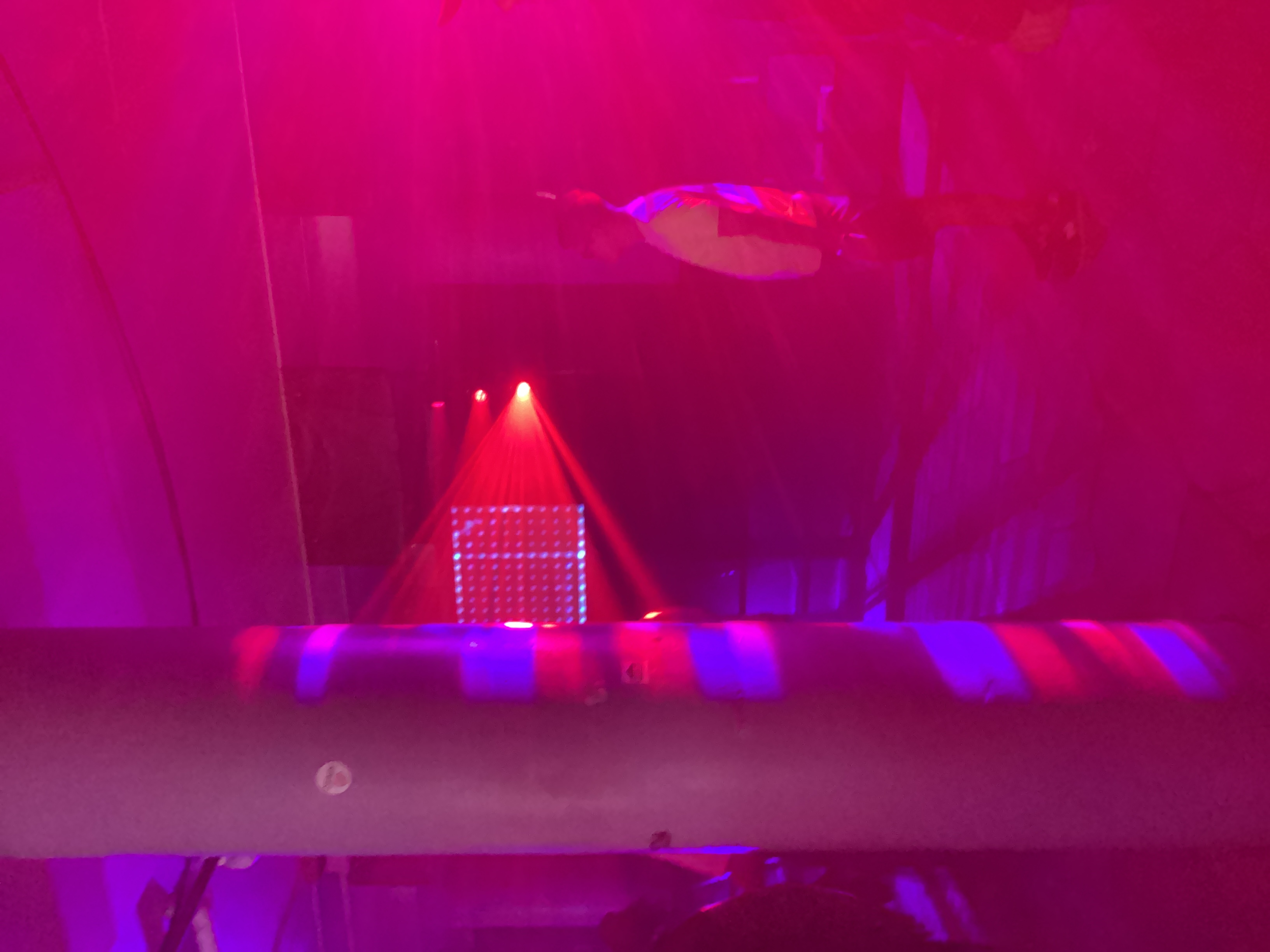
PAR Lights and LED Panel - Underground Stage
The strobe light was invented in the 1930s by Harold Edgerton, a photographer and scientist at Maryland Institute of Technology2. He was looking for a way to capture events that were too fast for the human eye to perceive. Edgerton used the strobe effect to break down ultra-high-speed movements, which helped him to create stop motion photographic sequences. When used in underground warehouse raves, it creates a scene that further abstracts the already surreal, dystopian, science-fiction-like setting. Strobe lights were one of the original rave lighting set-ups, creating a hypnotic, disorienting effect. Their physical effects also include an increase in heart rate and feelings of wakefulness that support a late-night-into-early-morning type of energy.
The history of the black-light dates back to the early 1900s with the development of Wood’s glass, invented by Robert Williams Wood, which filters out visible light while allowing the UV light to remain3. Initially, the black-light was used for covert communication during WW1, and in biology and medicine, before becoming a staple in event lighting. It’s debut in art and theatre actually wasn’t until the 1960s, with the introduction of fluorescent colored posters, costumes and props4. The black-light has been used since techno’s early days to enhance clothing, body paint and decorations by making them glow brightly in the dark.
The disco ball, also known as the mirror ball, was patented in 1917 by Louis Bernard Woeste and William A. Stephens. Their Cincinnati-based company Stephens and Woeste mass produced these exquisite spheres covered in tiny reflective squares that filled jazz clubs and cabarets with “dancing fireflies of a thousand hues”5. Techno’s tendency to borrow and re-purpose cultural elements from other genres and time periods preserves the traditional use of the mirror ball, and also finds new ways to use it.
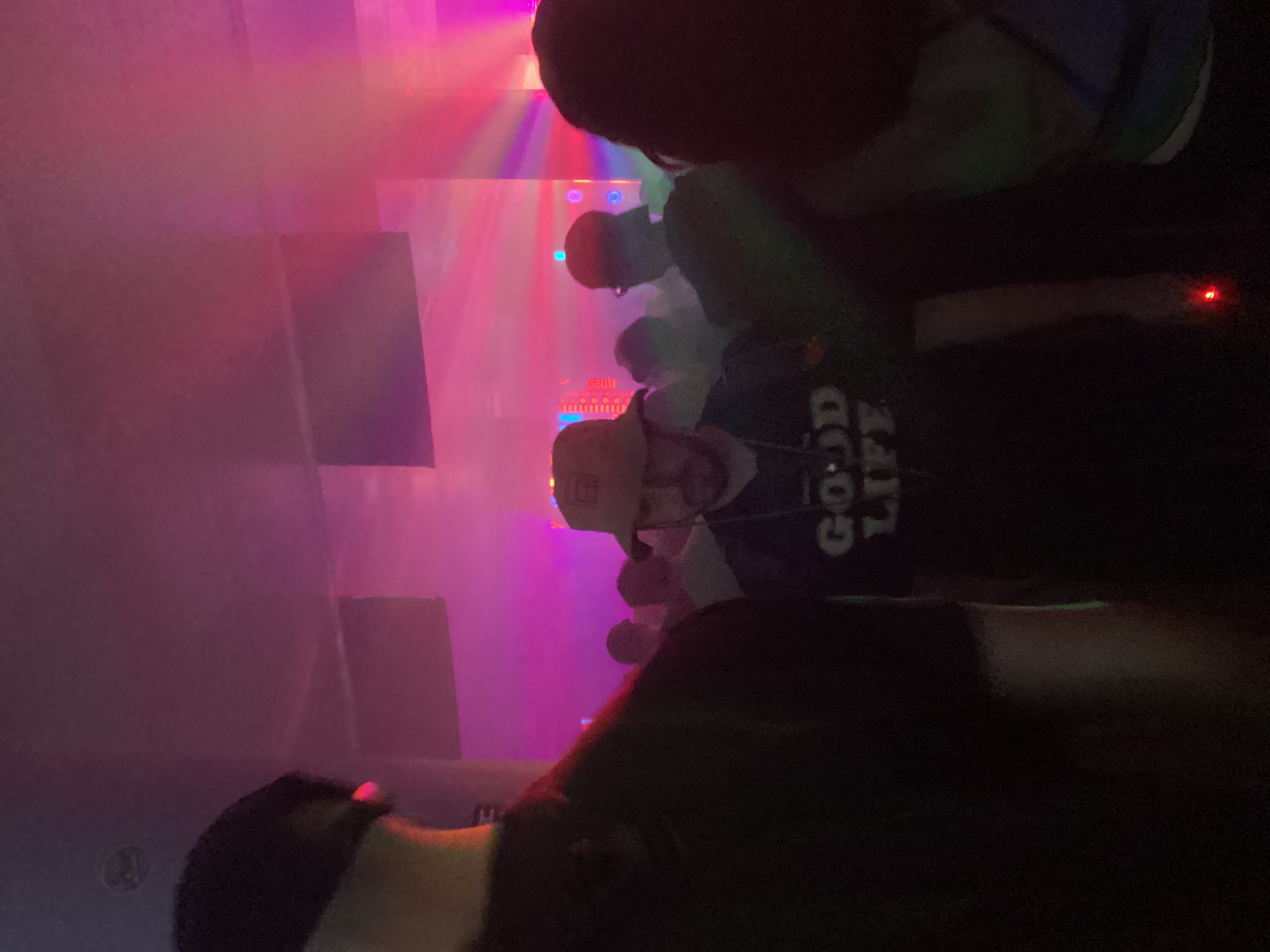
PAR Lights and a Cigarette - Underground Stage
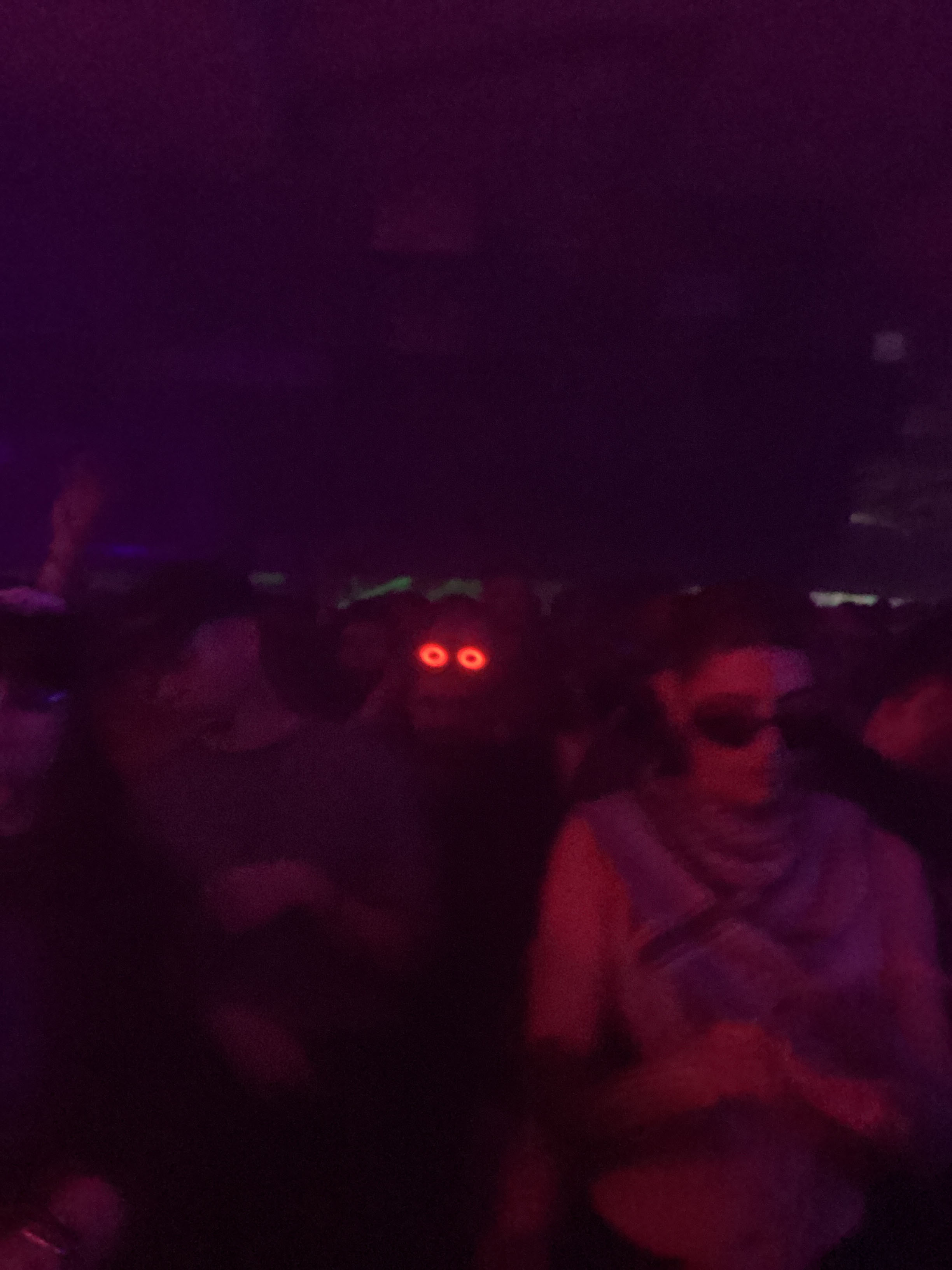
LED Goggles - Underground Stage
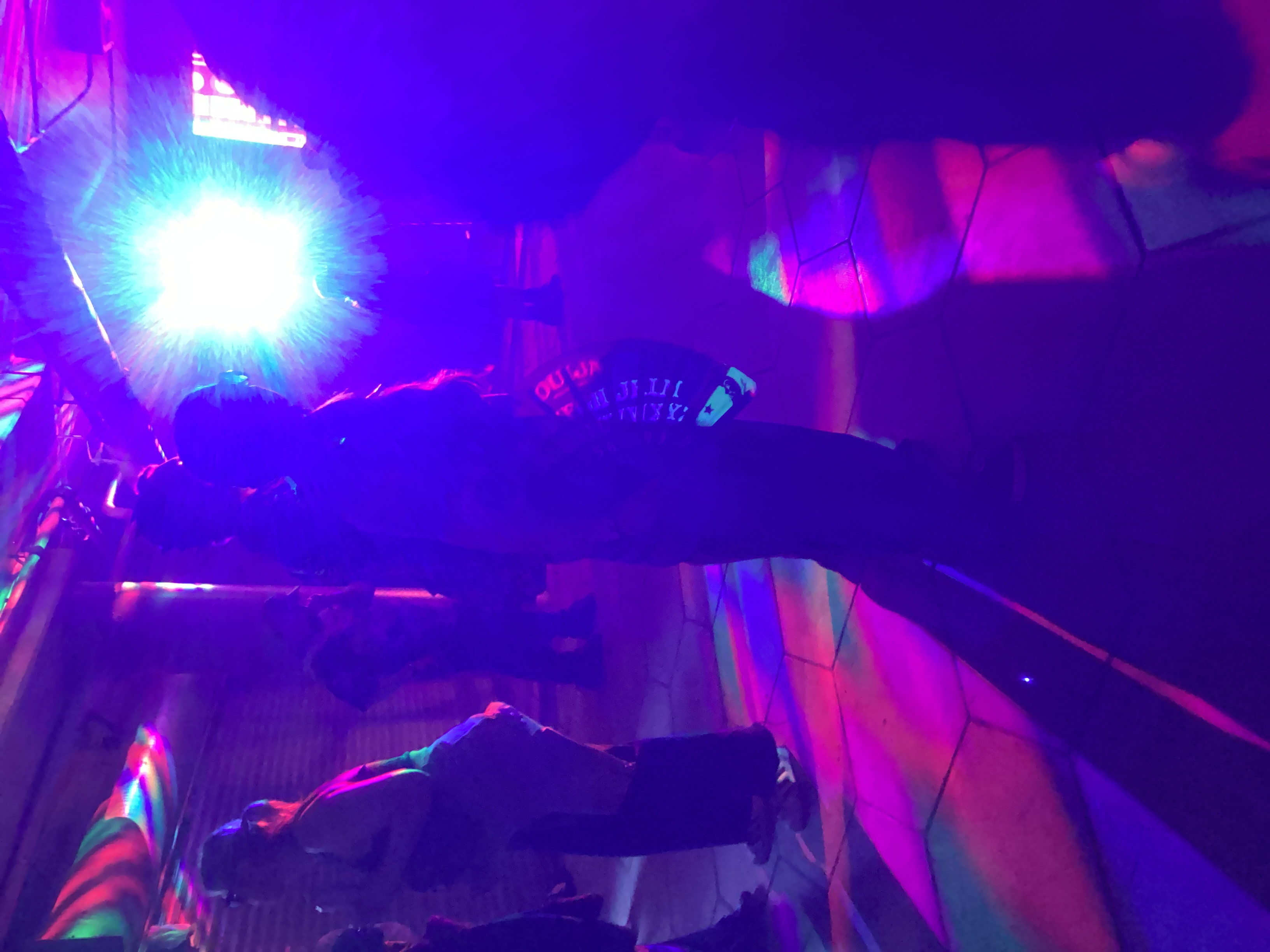
Blinders and PAR Lights - Underground Stage
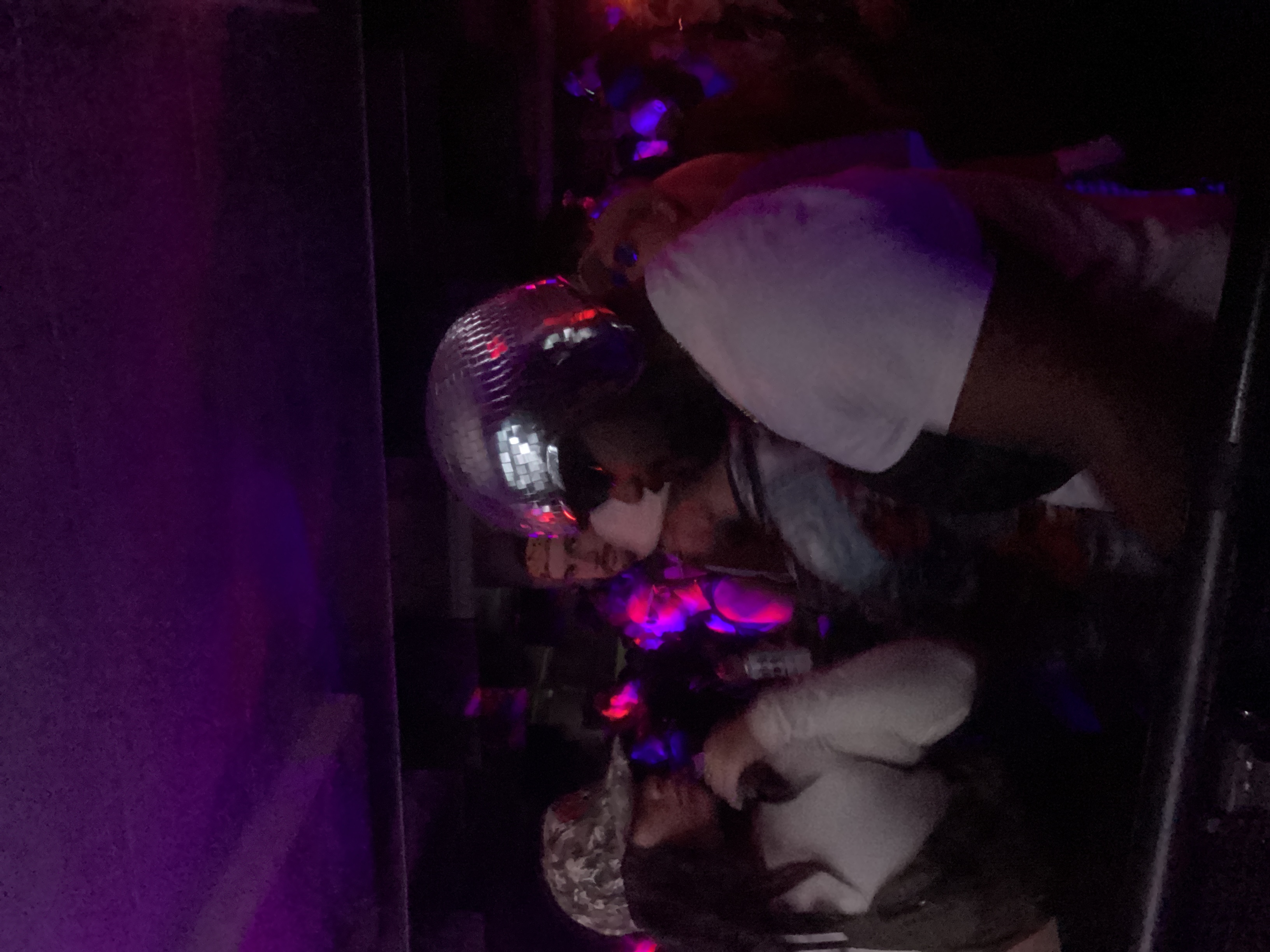
Disco Ball Helmet - Underground Stage
LED Cat Ears - Underground Stage
Poi Ball Performance - Underground Stage
As the underground raves moved to mainstream festivals and nightclubs, costly lighting systems entered the scene. Light fixtures, LED panels, projections and lasers came with systems and technicians to control their movement and their color patterns. The first working laser was called the Ruby Laser (Light Amplification by Stimulated Emission of Radiation), invented by Theodore Maiman and Arthur Leonard Schawlow at Hughes Research Laboratories in 19606. The laser was initially utilized for scientific purposes only and evolved for nearly a decade before entering the entertainment industry. Starting as a single red beam of light made from a synthetic ruby crystal, the laser now has the capability to change colors and synchronize with the music. Pink Floyd was one of the first bands to use Diode lasers on stage during their tour for Dark Side of the Moon7. Spider Beam laser lights are used frequently these days. They are typically made from multiple LED beams and laser diodes arranged in a spider-like configuration. They move in a sweeping and chasing pattern throughout the room to enhance the energy and encourage crowd interaction.
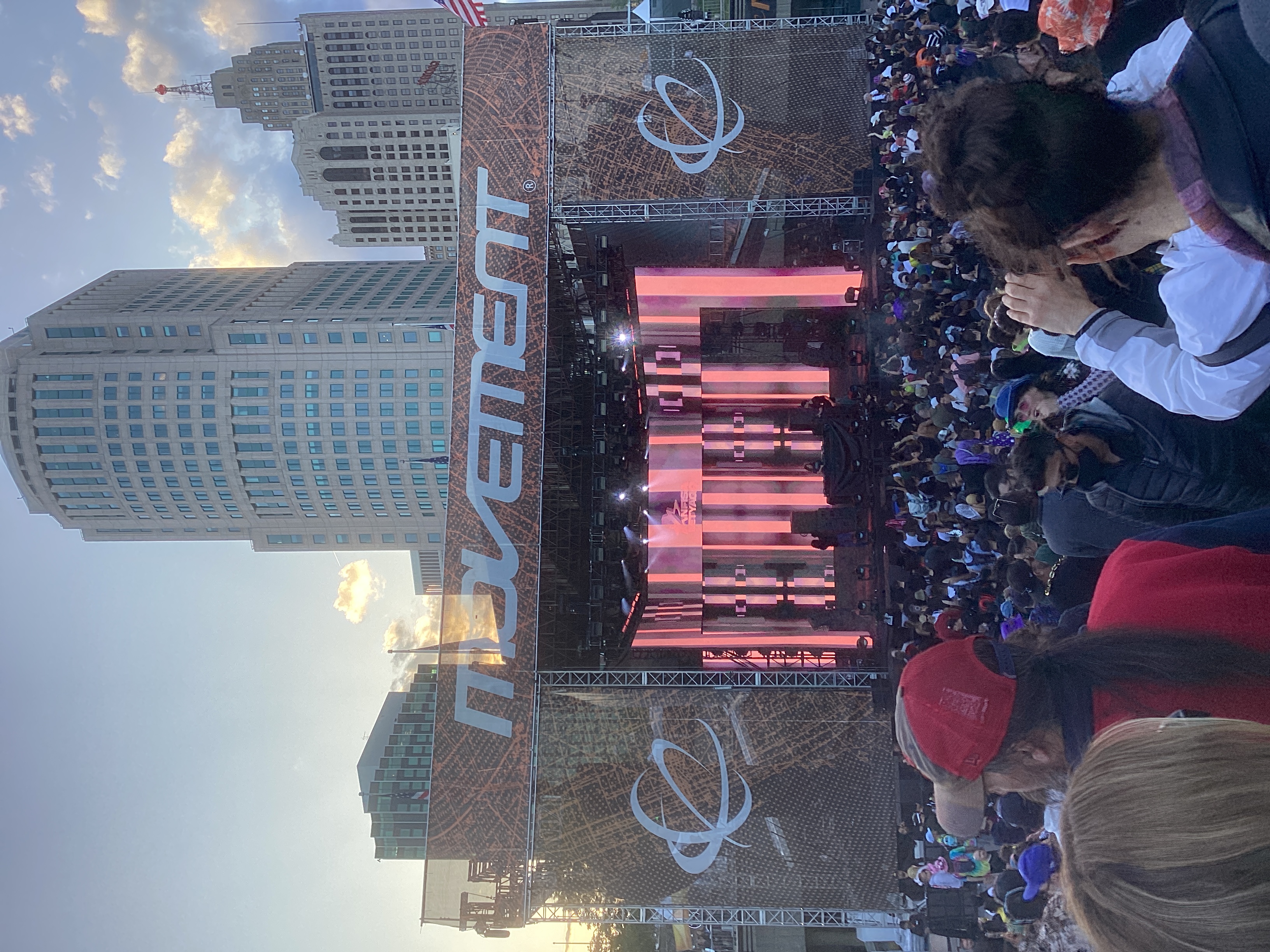
LED Panels - Movement Stage
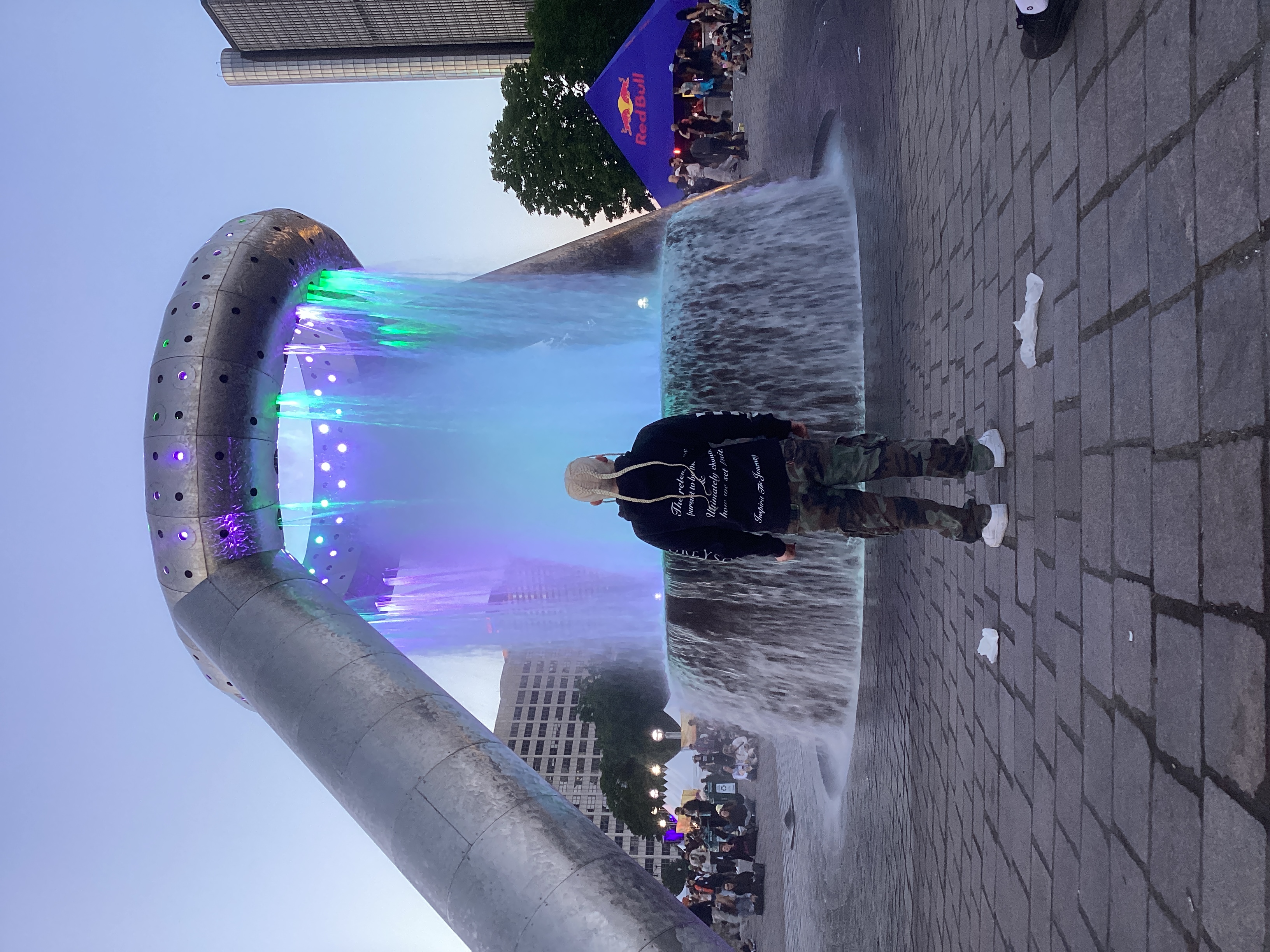
Dodge Fountain Illuminated - Ground Level
The PAR (Parabolic Aluminized Reflector) light was initially developed to be used for headlights of motor vehicles, but started to be used by stage designers in entertainment due to their ability to produce bright directional lighting8. Over the years, the PAR light has become one of the most essential stage lighting fixtures, producing an even, soft-edged spotlight to transform the color of an object, or create a diffused light wall to change the color of an entire area of the room.
Blinders are also a commonly used fixture in nightclubs. They are made of multiple high-intensity light sources mounted together to emit very bright, wide beams of light onto the stage, performer, dance floor and audience. They are used for dramatic effect or to visually wash out an area of the room.
LED walls are one of the newest inventions in the history of lighting technology. They are created for displays of various sizes and have the ability to portray digital images and videos that function independently or sync directly with the music. The LED itself was invented in 1962 by Nick Holonyak Jr, an American engineer, and the first LED display panel was developed by Hewlett-Packard, introduced in 1968 via their Model 5082-7000 Numeric Indicator9. It took a few decades for LED technology to evolve enough to appear in complex stage design. The first large-scale LED video wall was used by rock band U2 during their 1997 PopMart tour stage10.
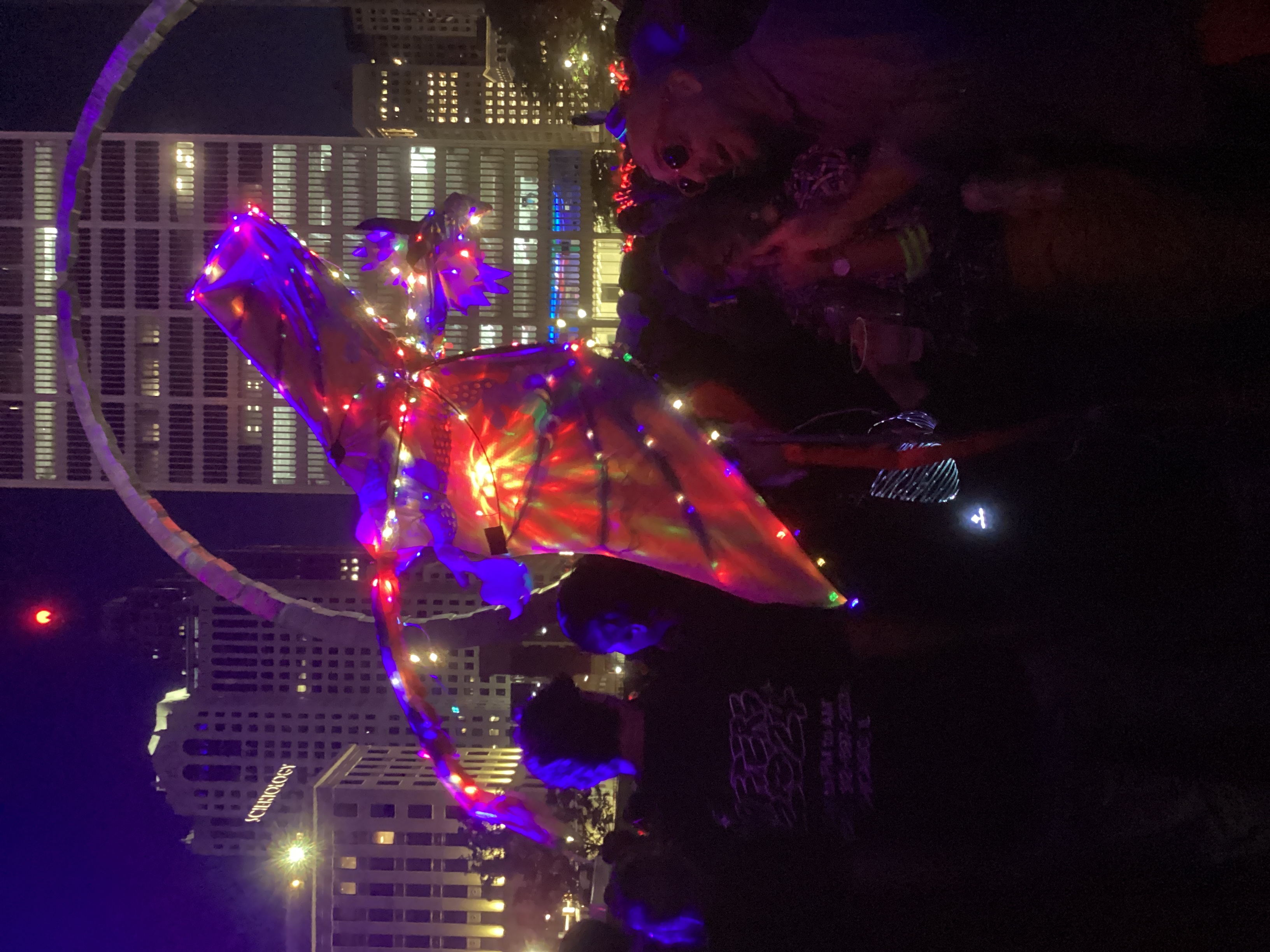
Twinkle Light Dragon - Stargate Stage
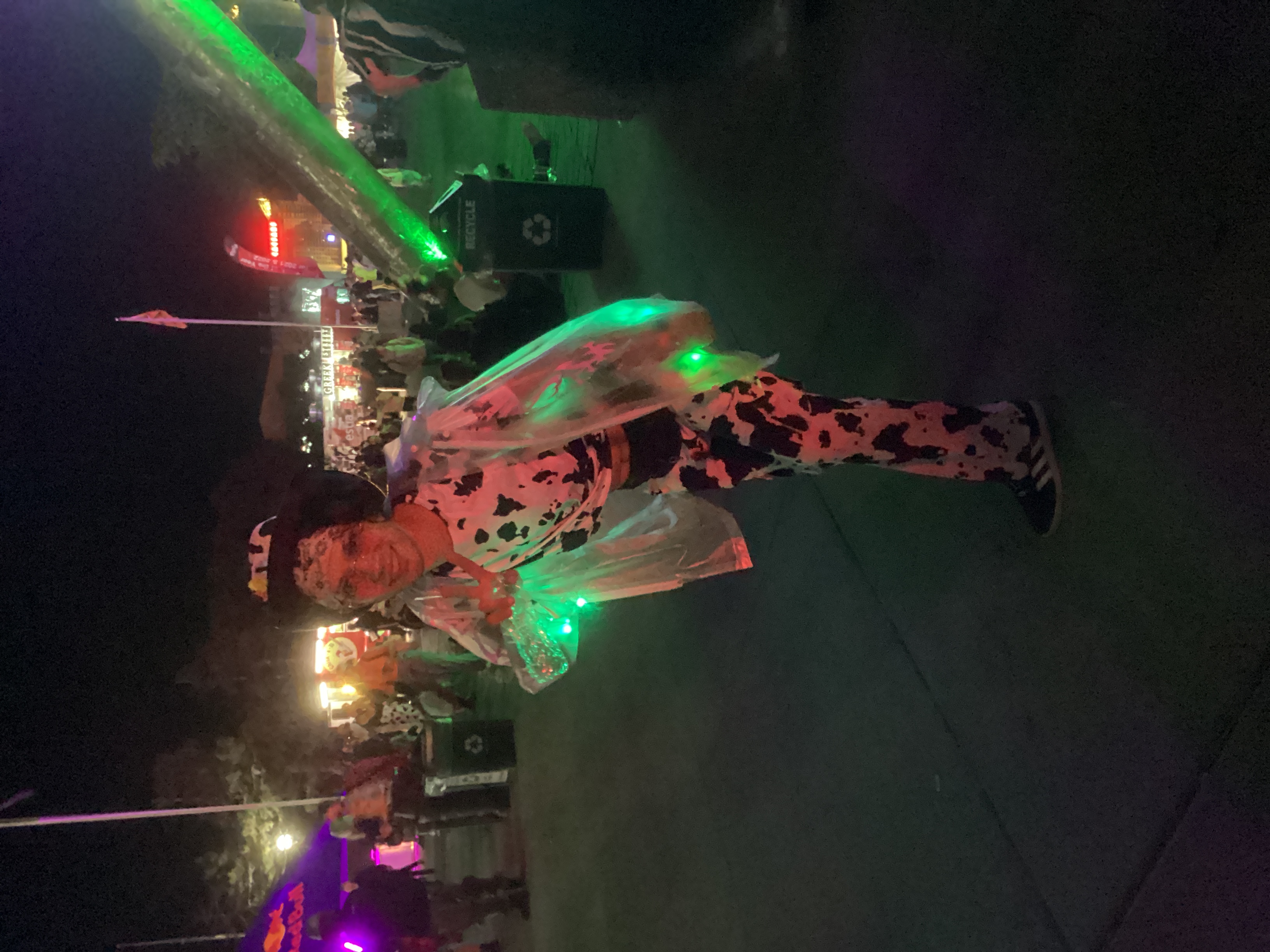
LED Raincoat - Ground Level
Spiral Wizard Wand - Ground Level
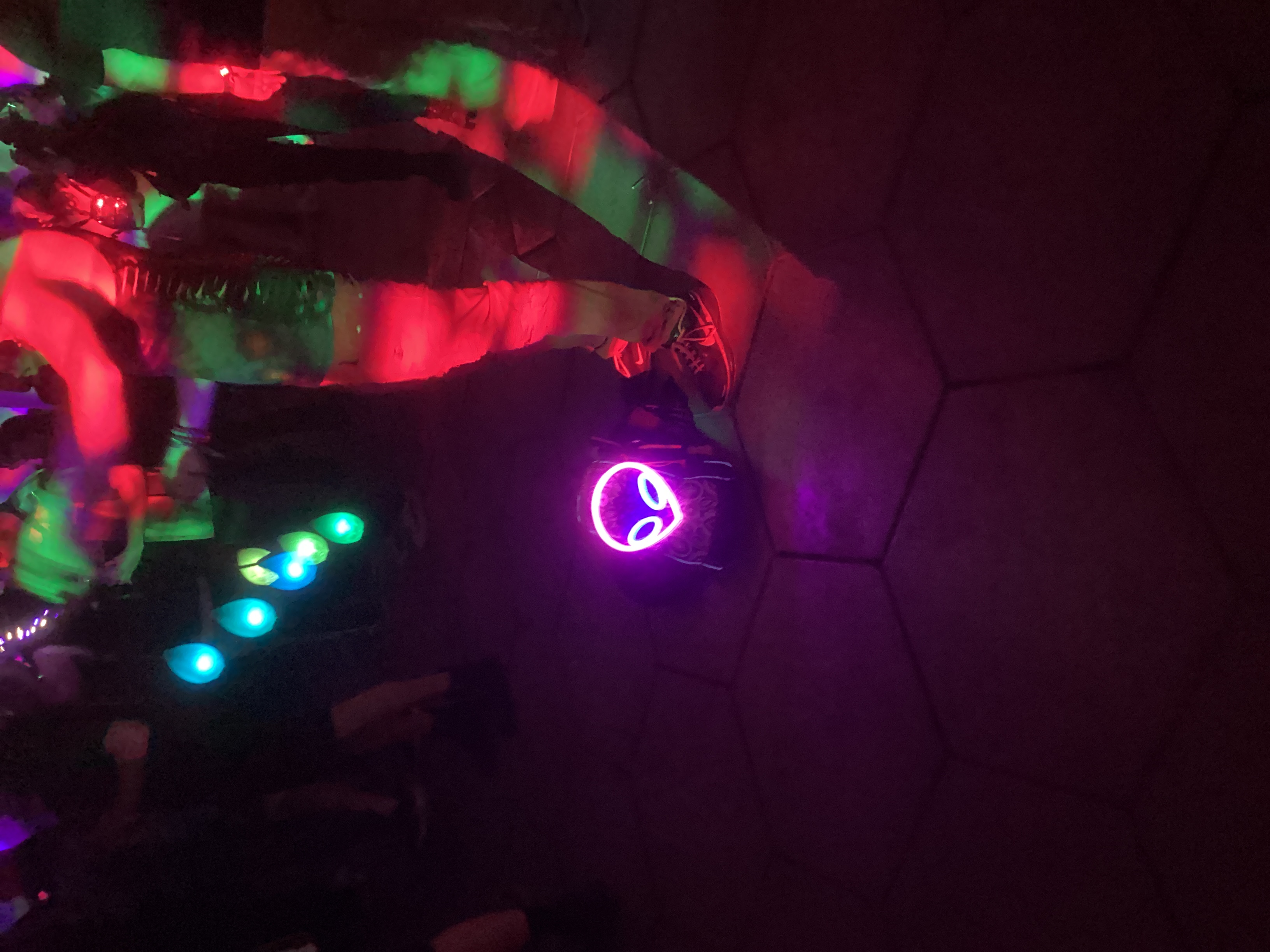
Poi Ball Performance and LED Alien Lamp - Underground Stage
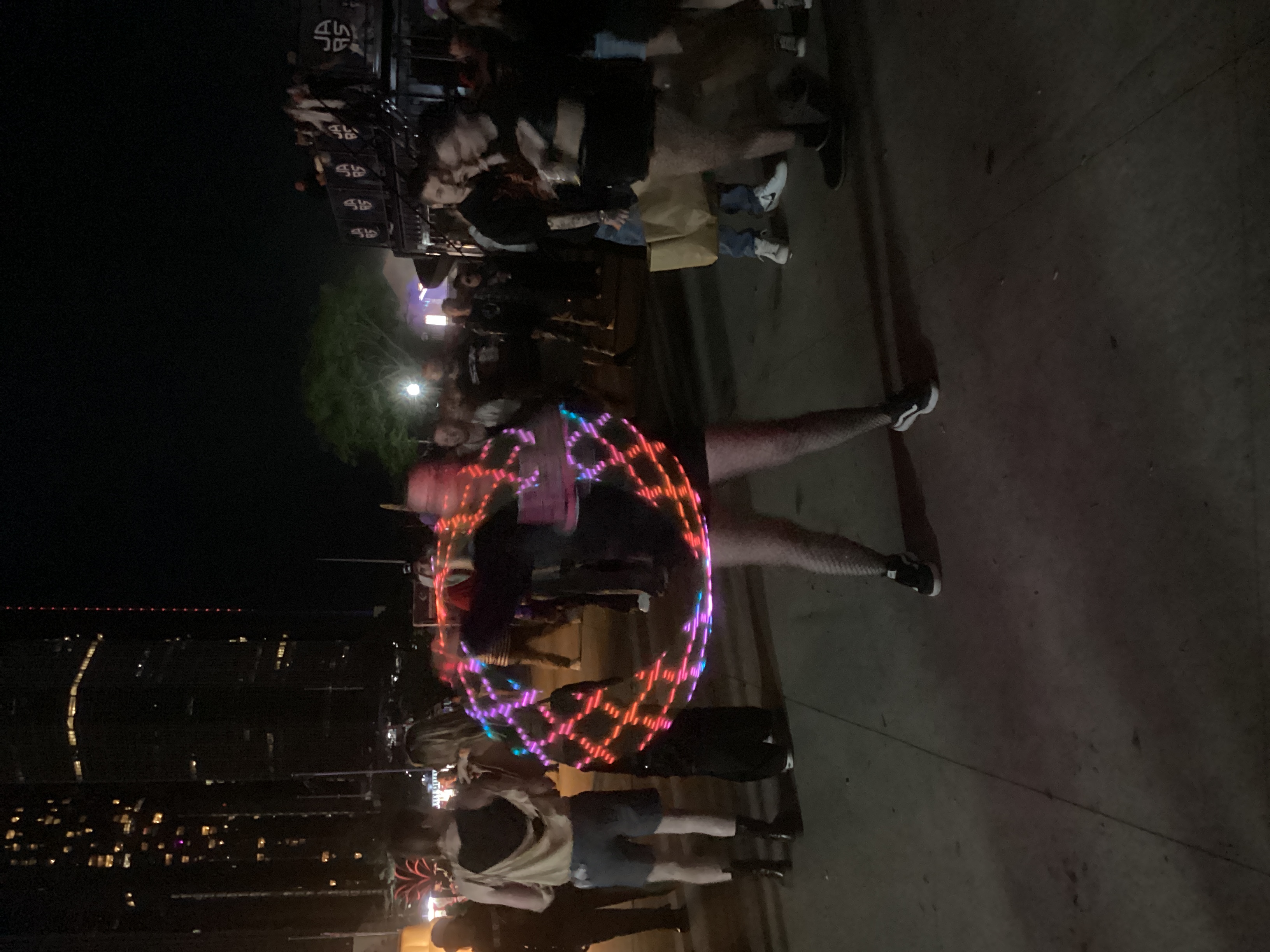
Fiber Optic LED Hoop - Waterfront Stage
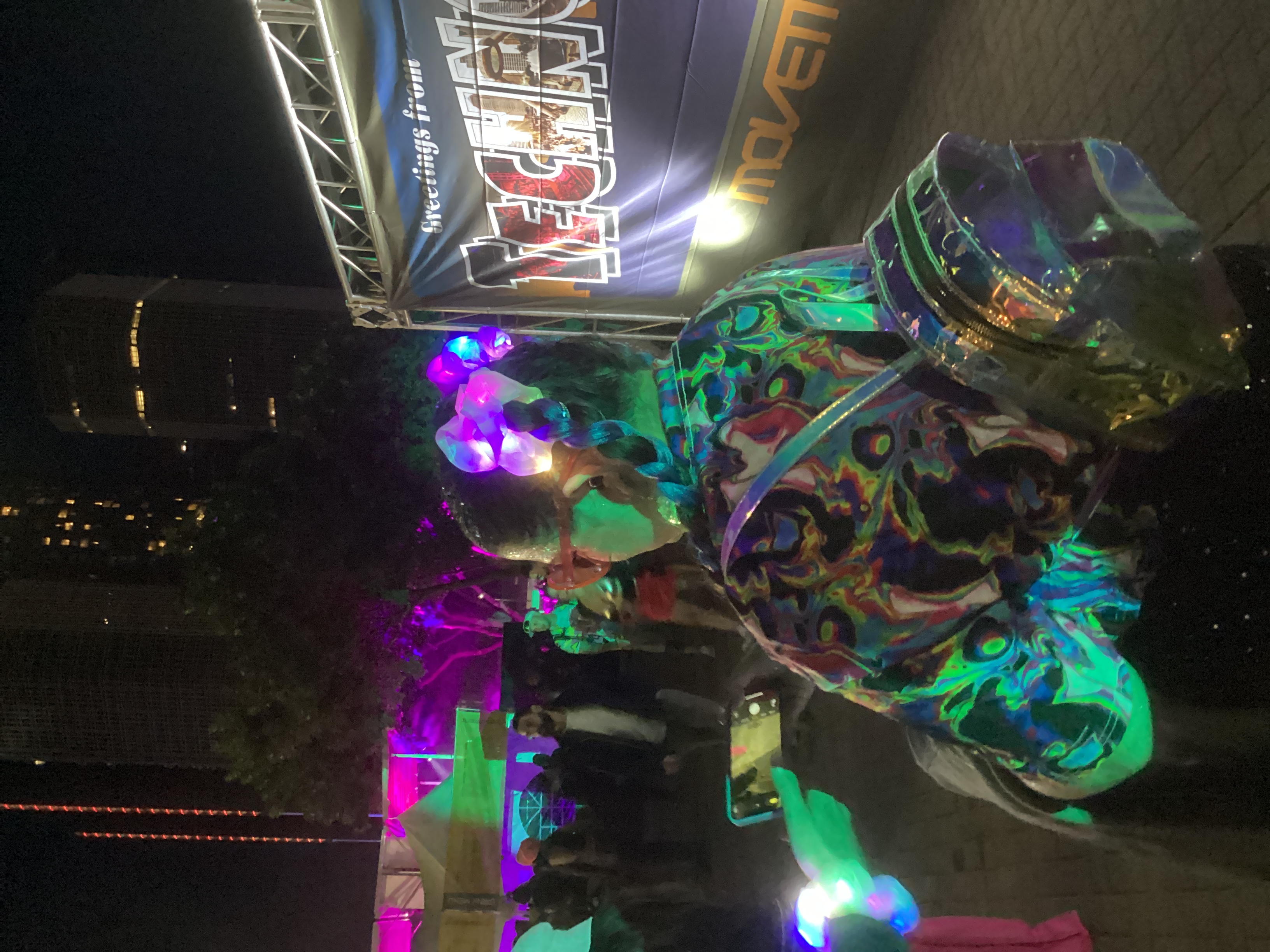
LED Scrunchies - Ground Level
The most magical thing about the rave is probably the immersive quality of the experience. The music and the stage lights provide a backdrop for the ravers to react to, and their dancing and wardrobes contribute to the wild and playful synthesis that rave culture has become. The lighting jumps from the stage into the crowd through the glow-in-the-dark, fiber optic, and LED lit kandi, gloves, hair extensions, clothing and body wraps. These accessories became popular in the 90s, coinciding with the expansion of techno and distinct fashion that is now seen at every rave. Gloving is the light-show trend using illuminated gloves. The dancer waves and moves their hands in sync with the music to mesmerize bystanders. Gloving technical styles include liquid (dance movements characterized by fluid-like motions), finger tutting (the intricate movement of the fingers) and popping (precise contraction and release of muscles to create a rhythmic “pop” effect inspired by hip-hop)11. Pockets of illumination throughout the rave also occur in the form of glowsticking and glow stringing with poi balls and wands. These various accessories are a way for ravers to stand out, express themselves, and embody the lifestyle of Peace, Love, Unity, Respect (PLUR) through the creation of a positive and inclusive environment.12
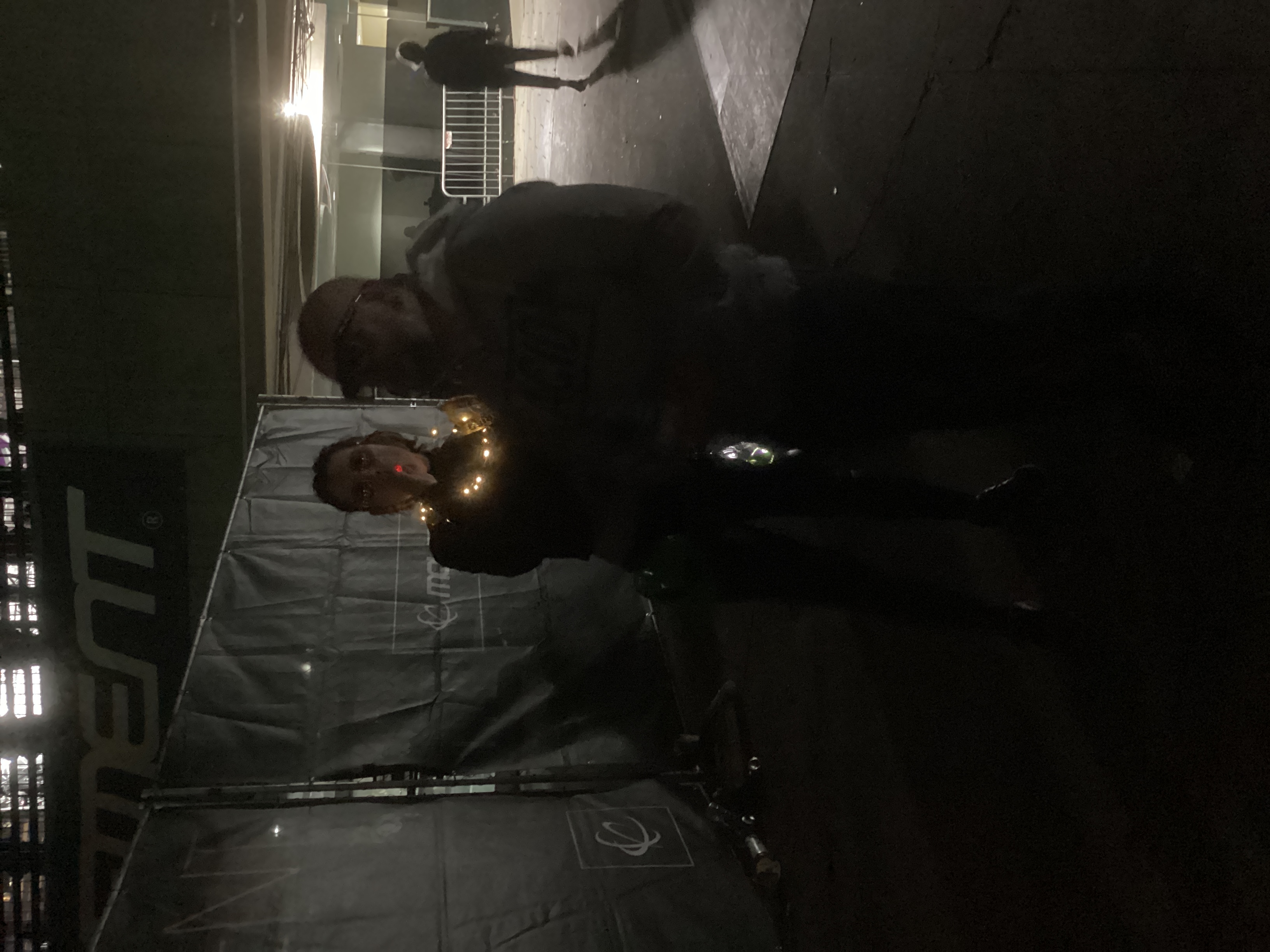
Twinkle Lights and a Cigarette - Movement Stage
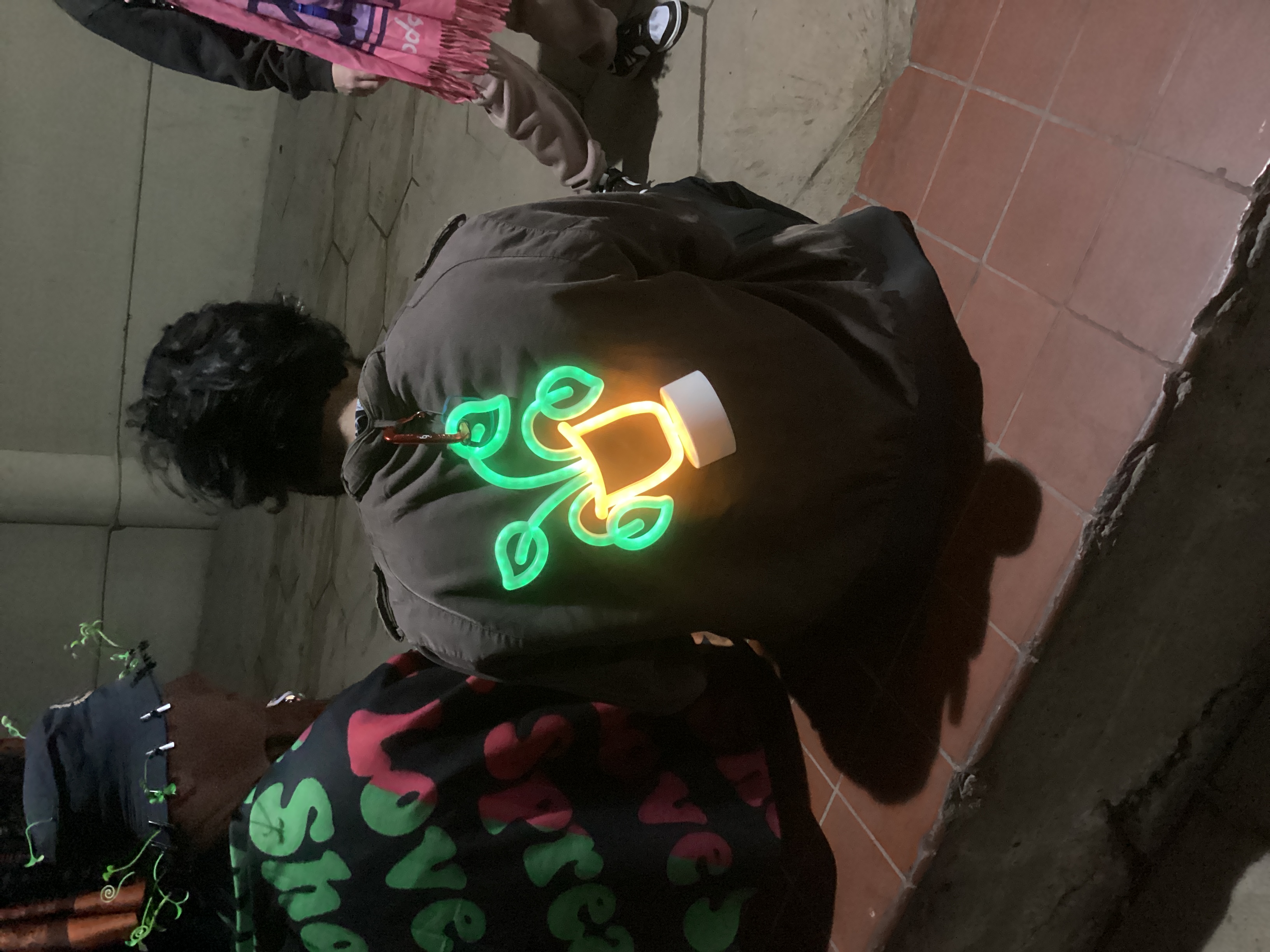
LED Houseplant Lamp - Underground Stage
Standard Light Bulb - Underground Stage
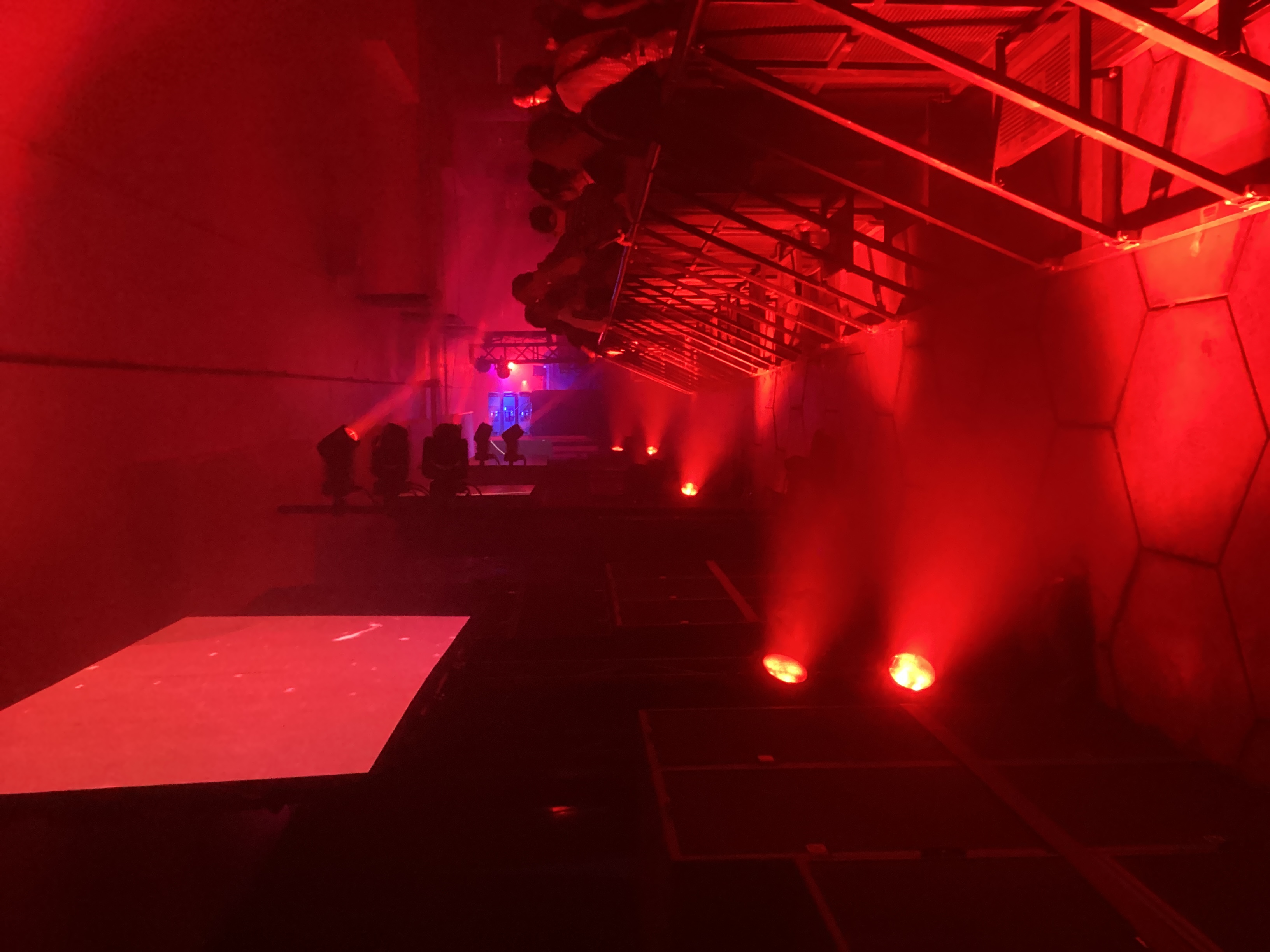
PAR Lights - Underground Stage
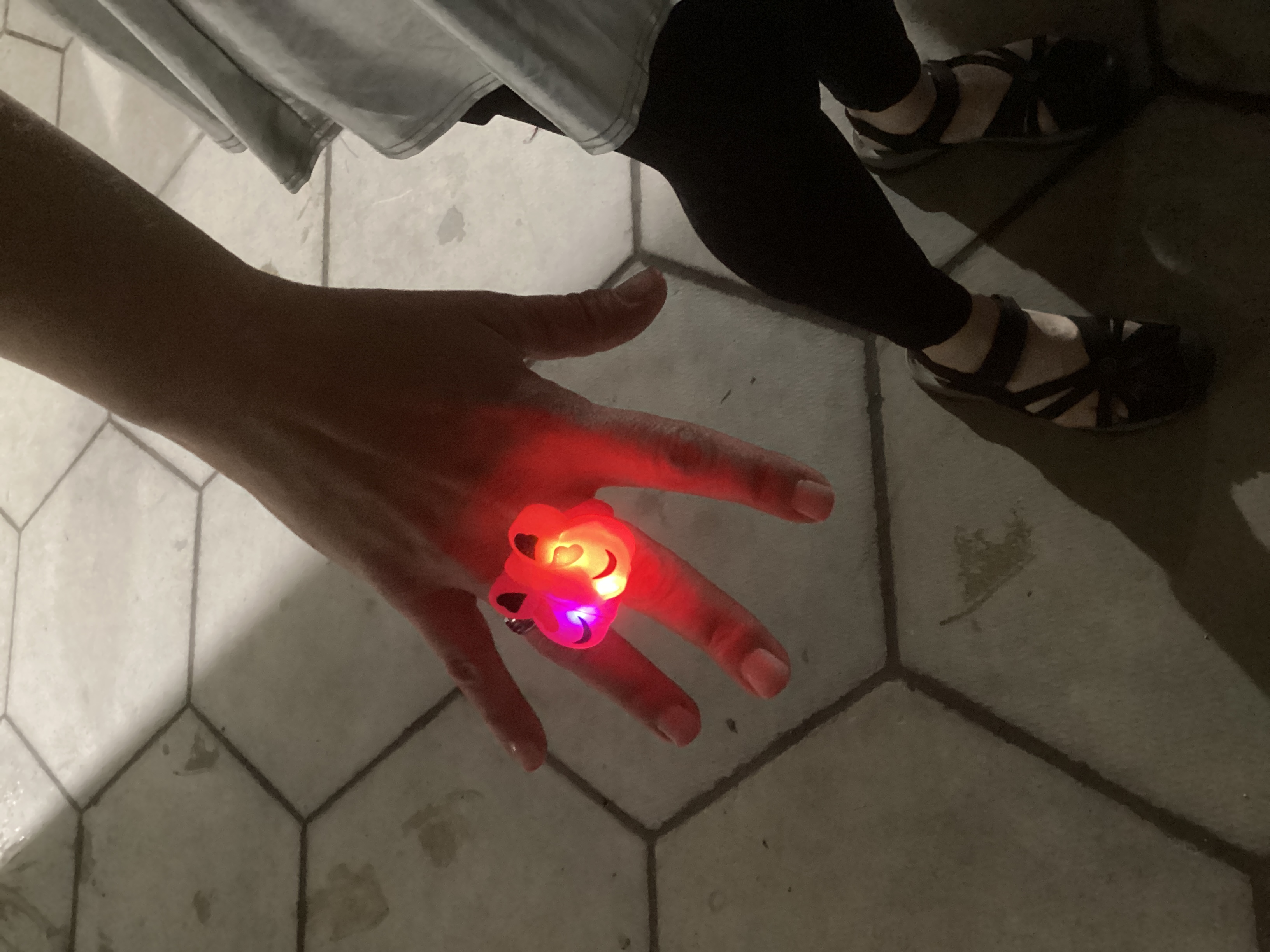
LED Bunny Ring - Underground Stage
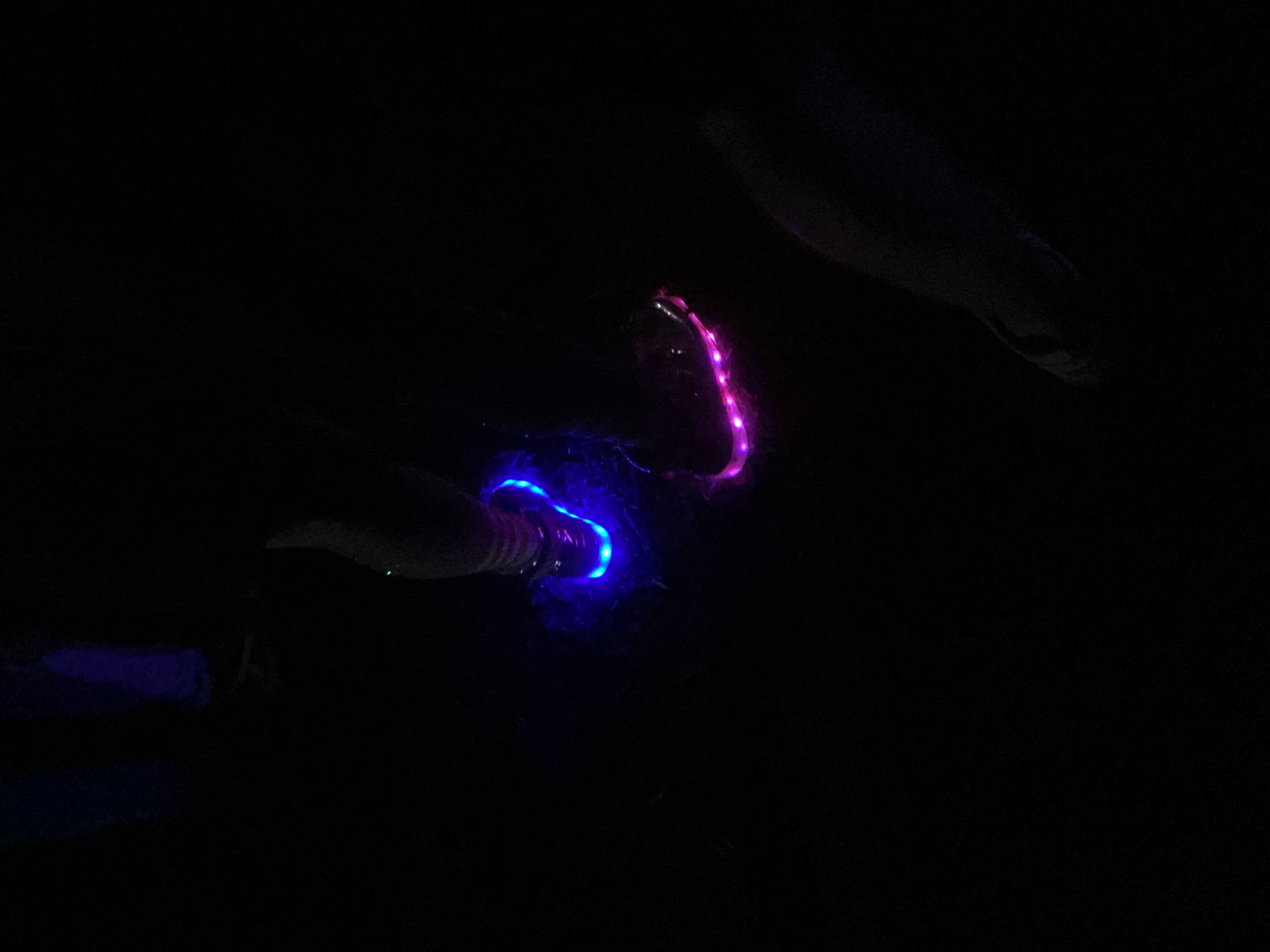
LED Sneakers - Waterfront Stage
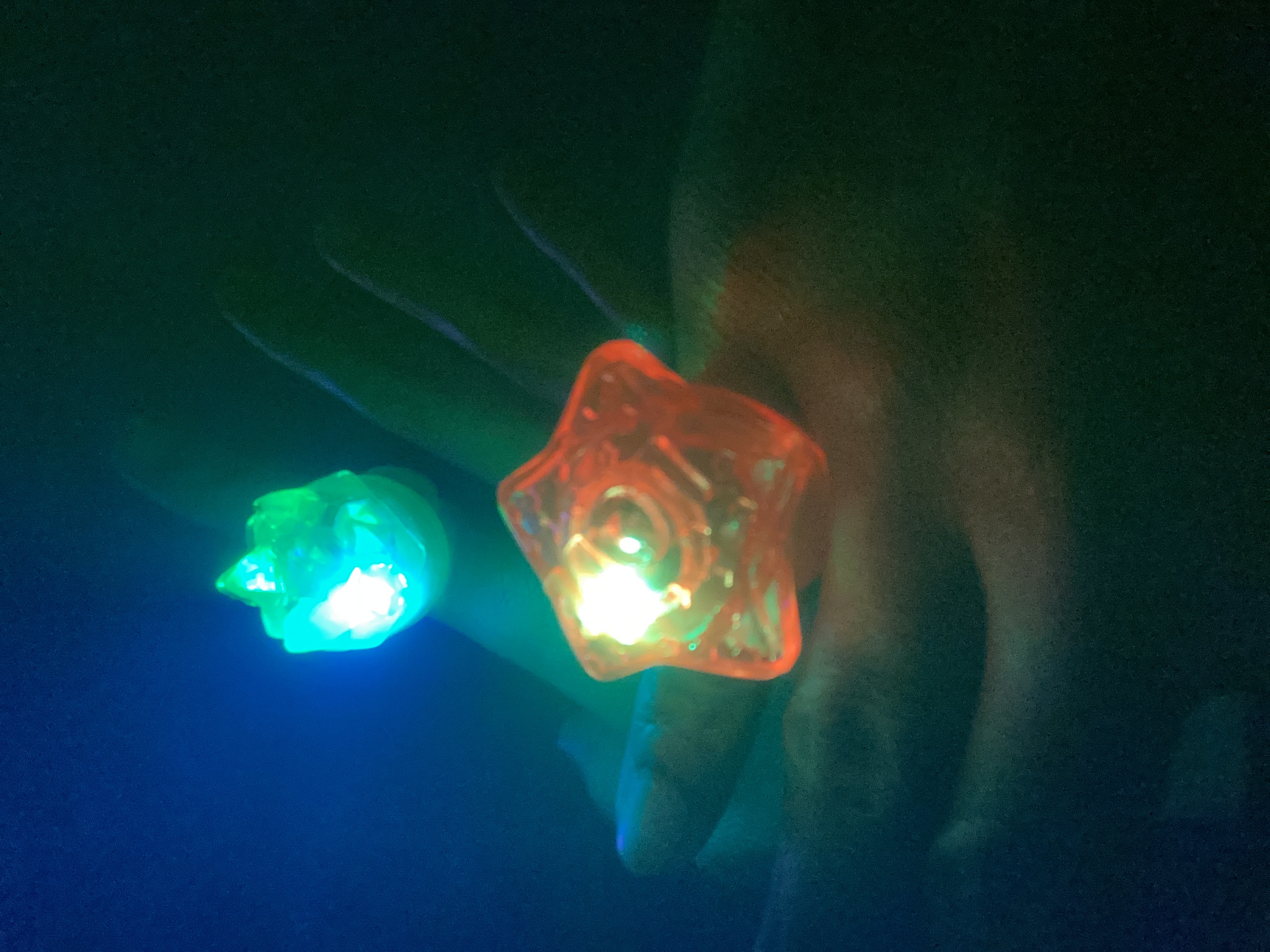
LED Bubble Rings - Waterfront Stage
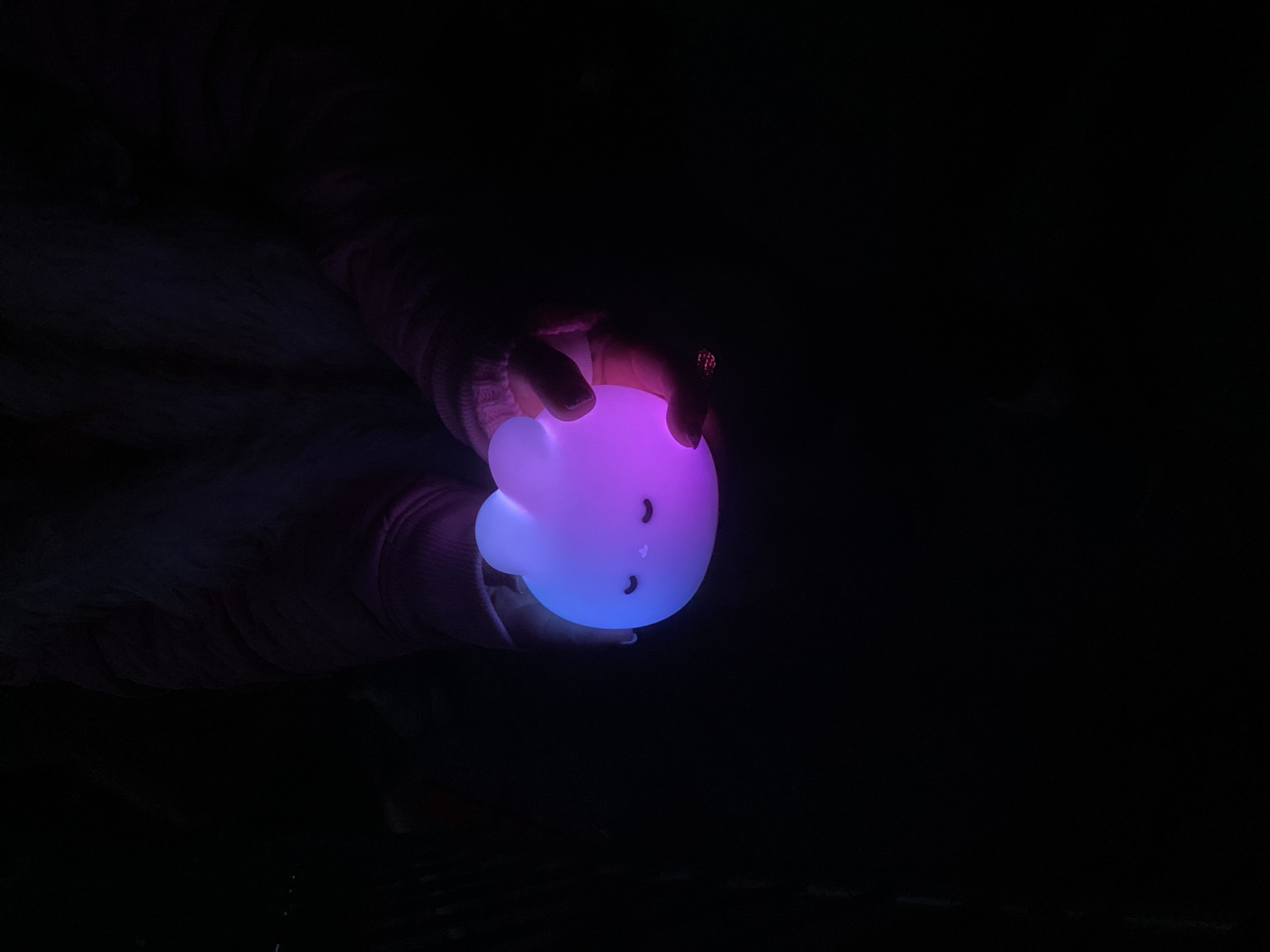
LED Bunny Lamp - Underground Stage
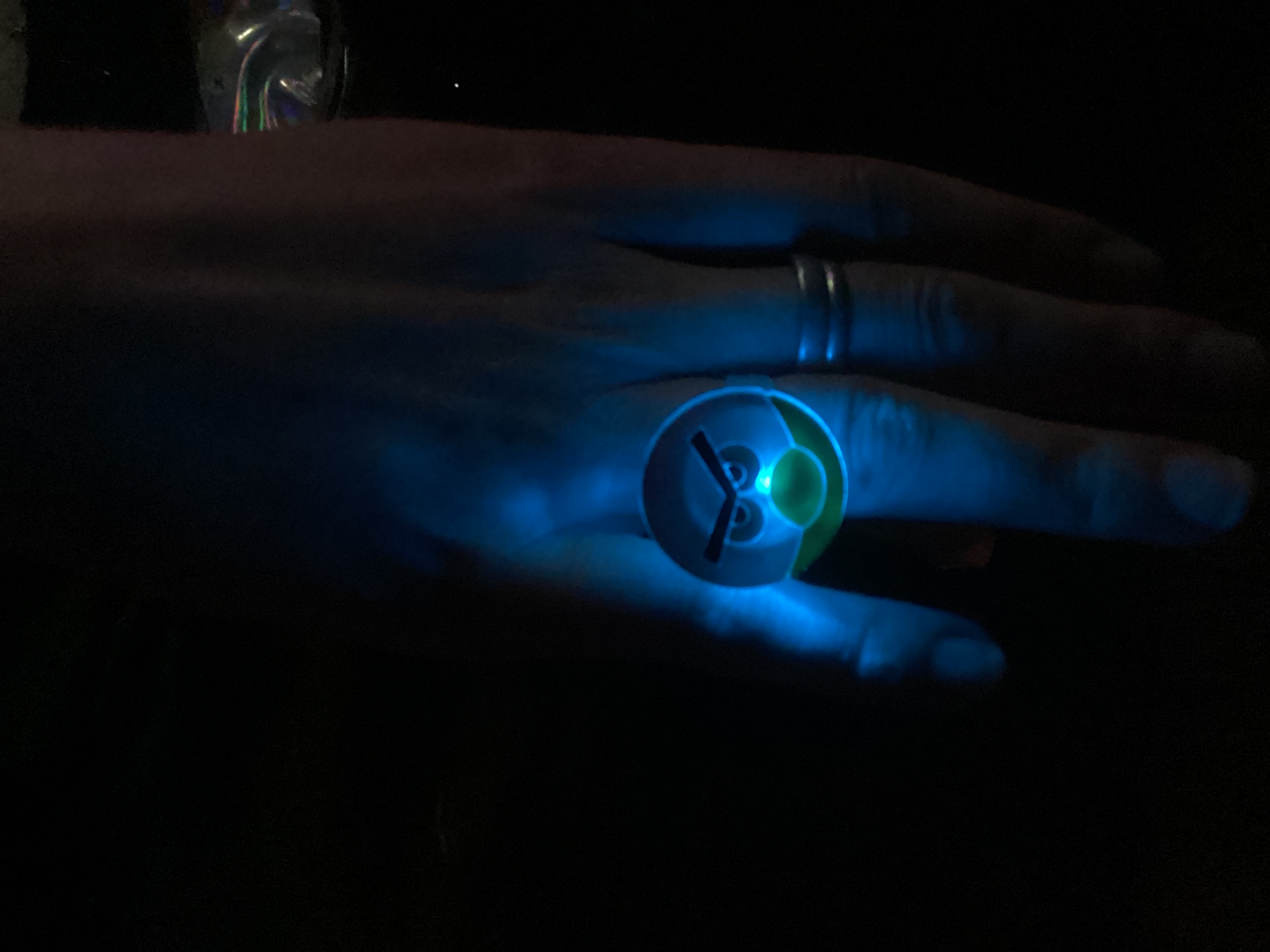
LED Angry Birds Ring - Underground Stage
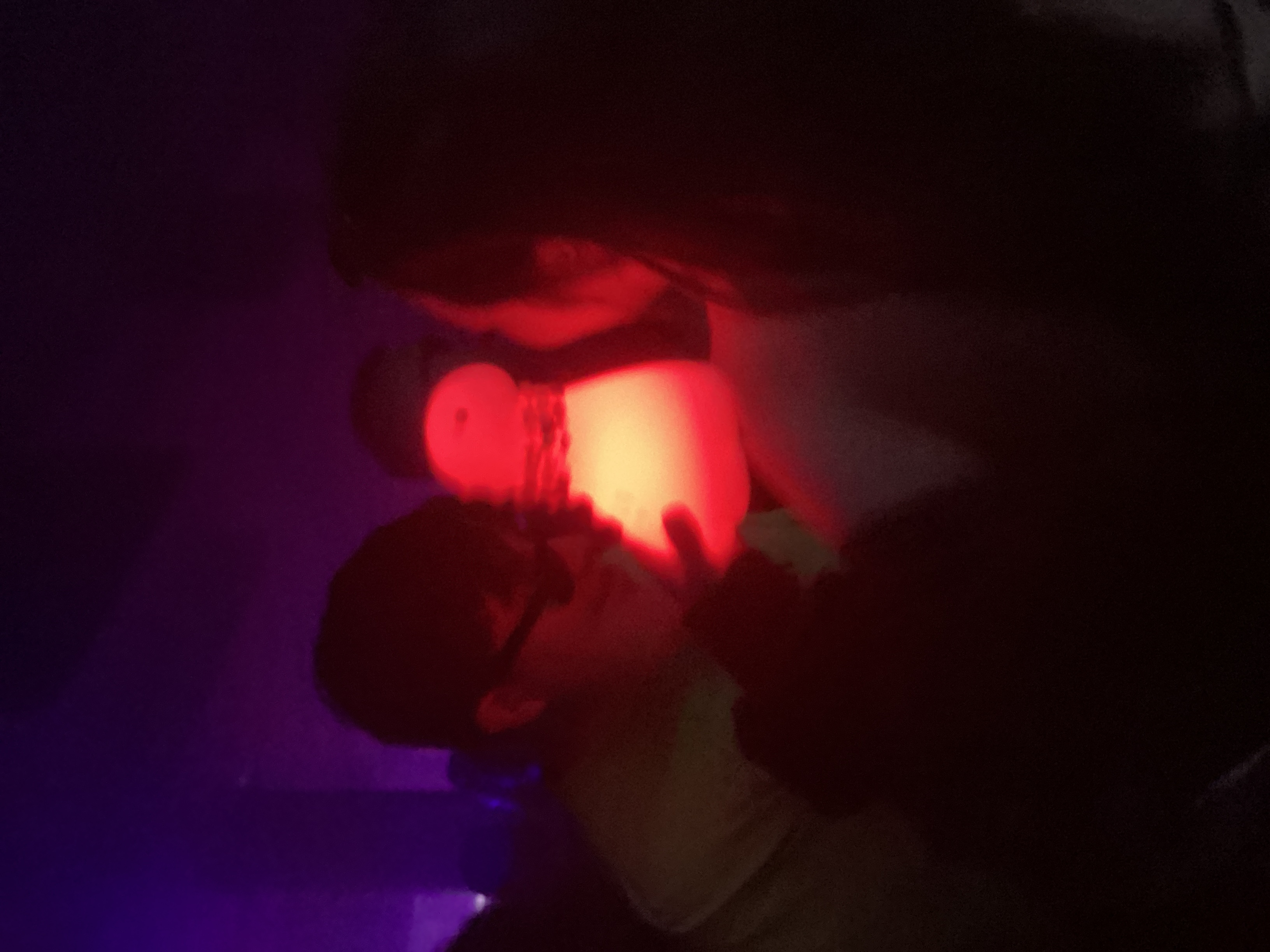
LED Dino Lamp - Underground Stage
Poi Ball Performance - Underground Stage
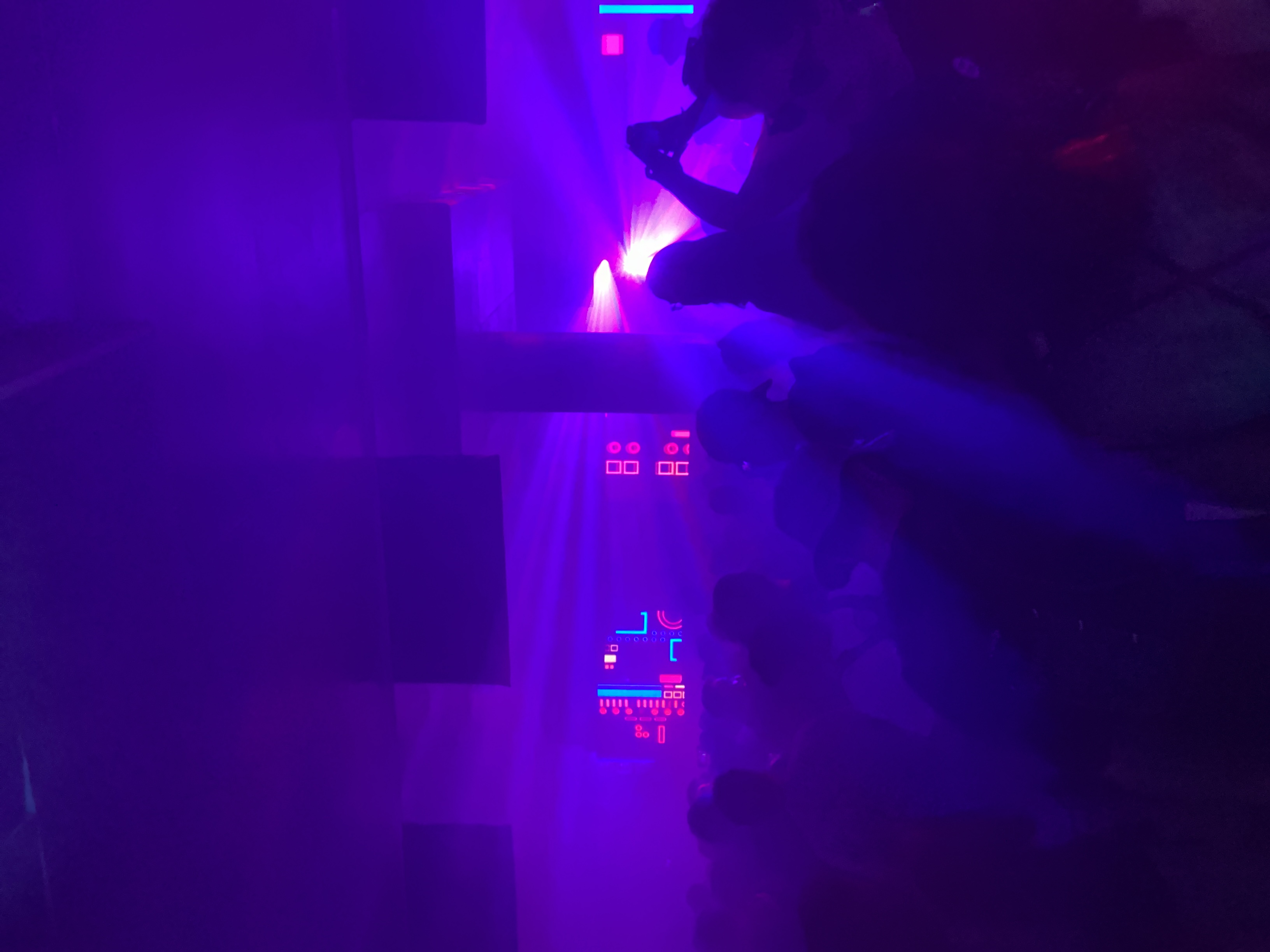
PAR Lights and LED Panel - Underground Stage
Movement 2025 took place from May 24, 25, 26 at Hart Plaza in Detroit. This year marked its 19th consecutive year since its inaugural festival in 2006.
https://movementfestival.com
1. Garber, David, Ashley Fike, Sammi Caramela, Stephen Andrew Galiher, Paige Gawley, Melanie A. Davis, and Anthony Franklin II. “Meet Me under the Disco Ball: A History of Nightlife’s Most Enduring Symbol.” VICE, August 9, 2024. Link.
2. “Harold Edgerton.” Lemelson. Accessed June 6, 2025. Link.
3. Kennedy, Adam. “What Is a Black Light?” Art of the Movies, February 28, 2023. Link.
4.Kennedy, Adam. “What Is a Black Light?” Art of the Movies, February 28, 2023. Link.
5. future_disco. “Mirror Mirror: The History of the Disco Ball - Future Disco.” Future Disco - Disco Reimagined - Material Music Group, December 31, 2024. Link.
6. “The Complicated Discovery of the Laser.” The Complicated Discovery of the LASER : History of Information. Accessed June 6, 2025. Link.
7. Biglasers. “The History of Infamous Pink Floyd Laser Light Shows.” BigLasers.com, November 6, 2023. Link.
8. Joe. “Shedding Light on Par Lamps: Efficiency, Benefits, and Led Integration.” HyLite LED Lighting, March 22, 2024. Link.
9. Digitalrefresh. “The History of LED Lighting.” energy saving lighting, November 21, 2019. Link.
10. “Shining a Light on the Evolution of LED Video Walls in Stage Design.” VMX Visual, June 20, 2023. Link.
11. “Led Gloving Tutorials - the Ultimate Guide by Glofx.” GloFX.com, July 22, 2022. Link.
12. “Ravers.” n. Accessed June 6, 2025. Link.